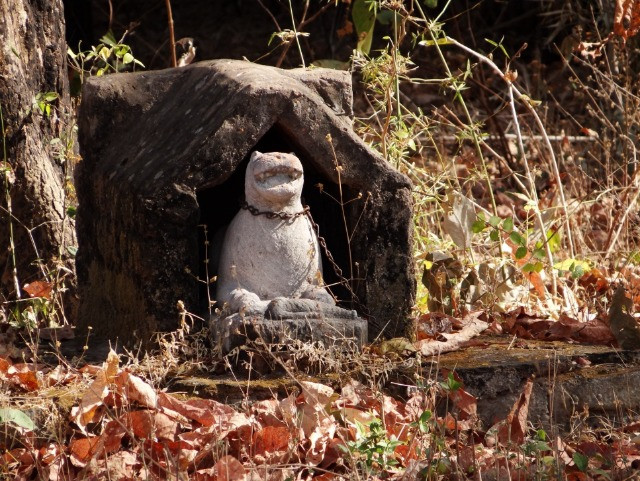
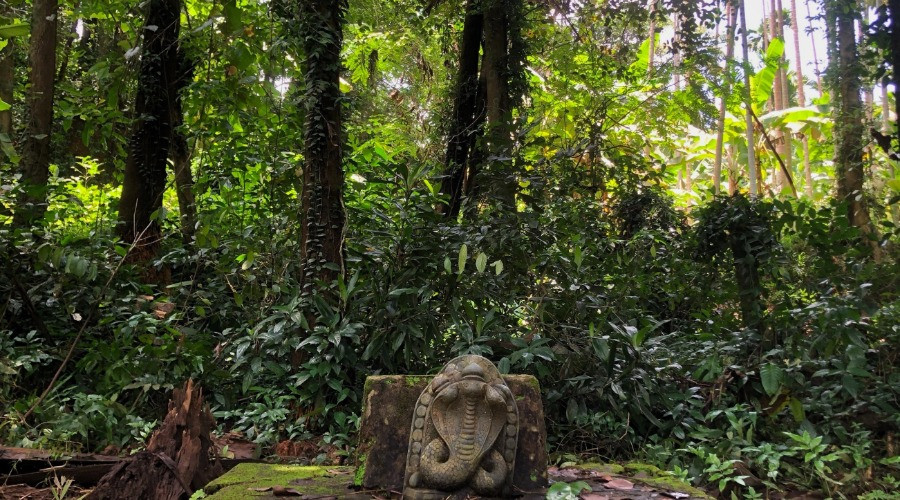
Amidst paddy fields, betel nut plantations, and the bustle of coastal towns in Karnataka and Kerala, small pockets of green still survive. These are sacred groves dedicated to serpent deities, known locally as Naga Banas. To the untrained eye, they may seem like forgotten bits of wilderness. But to the communities around them, they were once places where farming, ritual, and daily life were deeply bound with the forest.
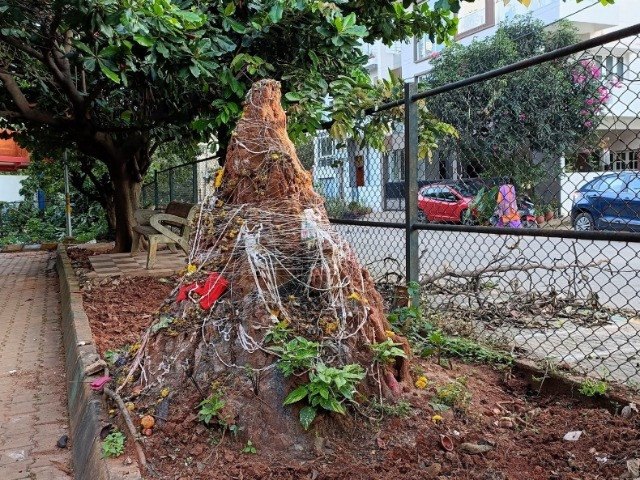
Each Bana carries its own character, yet certain signs are found everywhere. The most striking are anthills, believed to be the homes of snakes. Around them grow trees held sacred for generations, such as the Spanish cherry, Suriga tree, Fishtail palm, Screw pine, and Arecanut palm. Long before rituals with milk and turmeric became common, people believed it was the forest itself that offered worship. The yellow and white blossoms, said to please the serpent deities, defined the grove’s landscape. Elders recall this endless shedding as the grove’s own devotion—season after season, without fail.
With reverence came restraint. The Banas were not swept or cleared. No flowers were plucked, no branches cut, no pesticides sprayed. Cleaning was allowed only twice a year, once during Nagarapanchami, when snakes are honoured across India, and again during Patanaje, a local festival tied to farming. At all other times, the groves were left alone, to grow as they pleased.
These customs quietly protected the land. Fallen leaves turned into fertile soil. Fungi thrived, insects found refuge, and shaded interiors kept the ground cool and damp. Rainwater seeped easily into the soil, feeding underground springs. Villagers had their own way of describing this: a Bana always has flowing groundwater beneath it.
Respect for serpents reached far beyond rituals. If a cobra or king cobra was found dead, it was given a funeral. Neighbours gathered, food was shared, and the snake was laid to rest with dignity. Killing snakes was unthinkable. They were seen as guardians of fertility and prosperity, protectors of both families and fields. Farmers believed that when they ploughed their fields, the Naga would follow through the furrows, safeguarding crops as they grew.
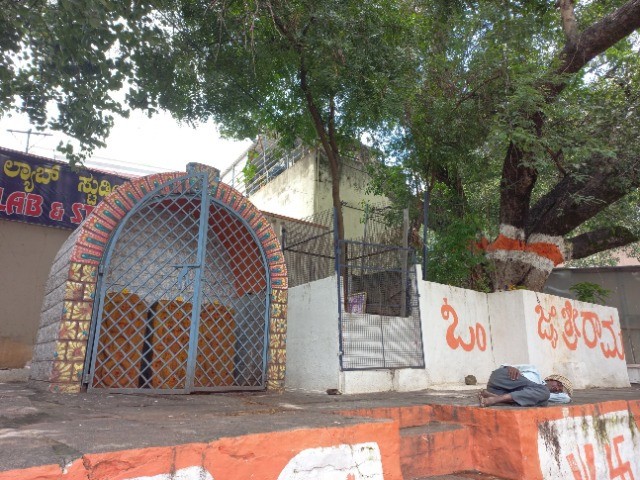
But these traditions are fading. As farmland has intensified and towns expanded, the uncultivated area around Banas has shrunk. In many places, groves have been reduced to shrines with cemented platforms for serpent idols. Once tree cover disappears, people often build artificial shades to keep sunlight off the idols, keeping rituals alive but slowly losing the living forest that once made them possible.
Today, the shrines still stand, but the forests around them have thinned to narrow rings. With the loss of trees, much of the old ecological knowledge has also faded. Younger generations often know the rituals but not the reasons behind them. Many still fear harming a Naga, yet the broader belief that protecting snakes also meant protecting the forest has weakened. What was once lived wisdom, carried through customs, stories, and practices, is now scattered and fading.
At their core, Naga Banas remind us that worship was once woven into everyday acts of care: letting flowers fall naturally, leaving trees uncut, and even giving snakes a dignified burial. The challenge ahead is not just to bring back the forests, but also to keep alive the knowledge and traditions that protected them for centuries.