
About Vana Katha
Vana Katha explores how Indian cultures stay deeply connected to the natural world — documenting the folklore, art and everyday practices through which communities have long revered, and quietly protected, the biodiversity around them. A collaboration with Canopy, Green Hub and WCS-India, supported by Rohini Nilekani Philanthropies.
Stories of Cultures Rooted in Nature
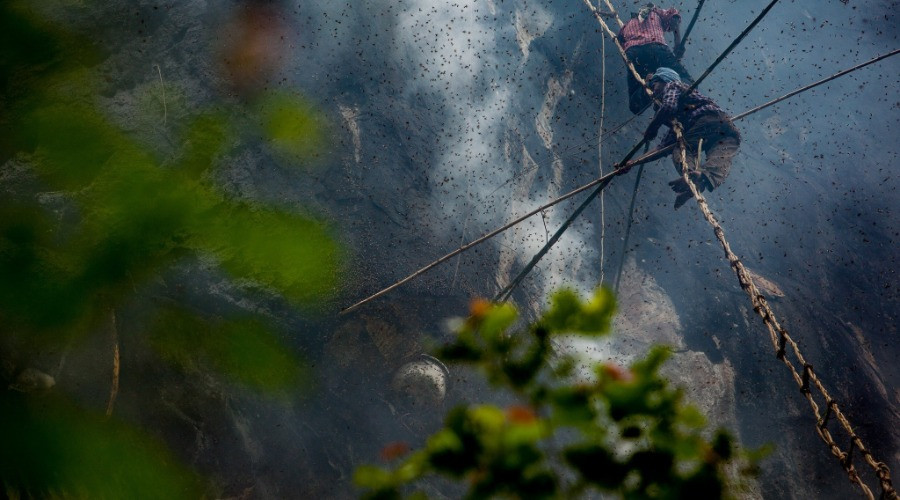
The Golden Harvest
For centuries, Nilgiris tribes have practiced honey-gathering techniques that nurture harmony between bees and humans—will these traditions endure?
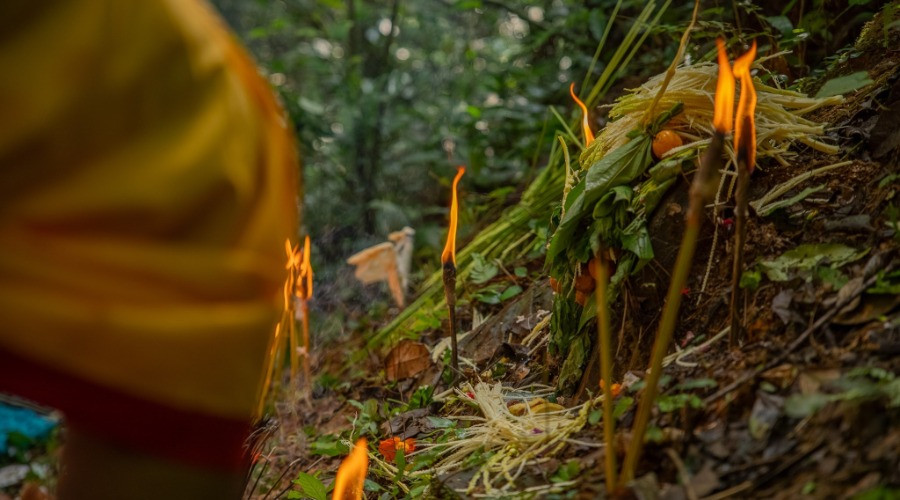
Sacred Spaces of Myristica Swamps
For years, Uttara Kannada’s Myristica swamps have been preserved by myths and taboos. But will these traditions be enough to protect them?
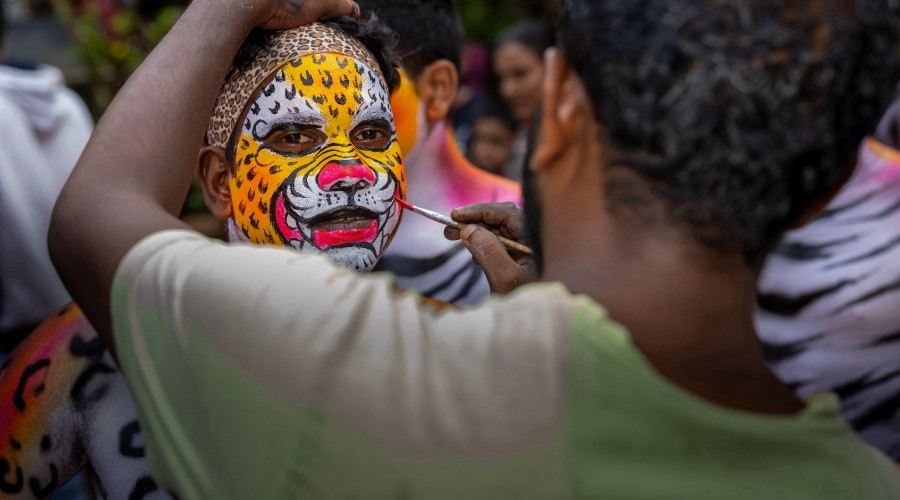
A Tale as Old as Time
For generations, Hulivesha has been a way of portraying the big cat’s power, and appeasing the protective goddess to prevent animal attacks. But how has this practice changed over the years?

Three Trees, Three Stories
In cities, it is easy to forget the living heritage such as trees that stand as silent witness to the struggle between humans and the environment. Here is the story of three trees in Bengaluru that have histories woven with the city’s growth and decline.

The Ancient Tamarind Trees of Nallur
About 10 km east of Bengaluru's Kempegowda Airport lies Nallur, a 53-acre grove with 275 ancient tamarind trees. These centuries-old trees, alongside a mysterious, ancient temple, have witnessed the rise and fall of dynasties.

Kōlam: The art of everyday sustainability
In Tamil Nadu, women begin their day by drawing a kōlam first thing in the morning outside their doorstep as a daily ritual. But at the intersection of the art form and the aesthetics lies a subtle message to preserve the Earth and be mindful of the beings we share space with
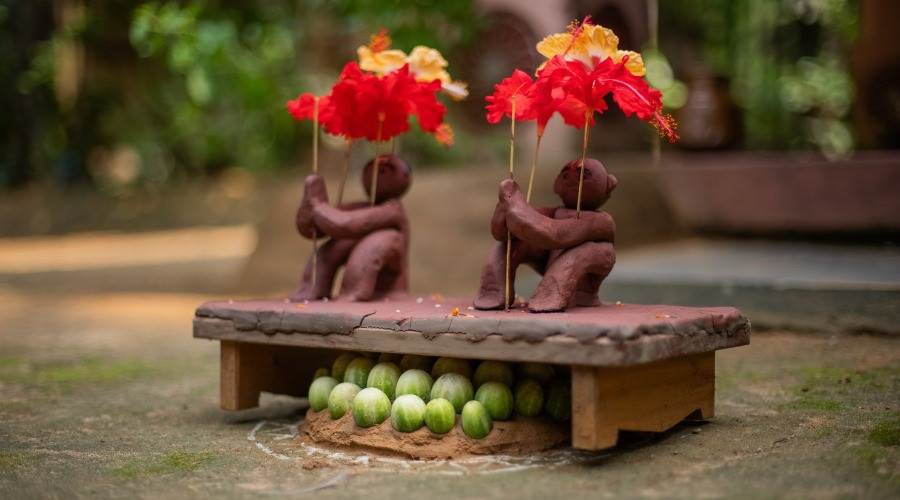
Deepavali in Another Light
In a quaint village near Gokarna, the temple town nestled in Uttara Kannada, Deepavali takes on a one-of-a-kind charm. Known as Madina Habba or Boore Habba, this festival of lights transforms into a celebration of medicinal herbs, blending tradition with ecological mindfulness.

Singing the Forest Songs
The Soligas of Karnataka honor nature through worship and traditional songs, preserving their bond with the forest. These oral traditions, passed down generations, celebrate life, animals, and ecosystems
.jpg)
A Tree that Transcends Time
For generations, palmyra climbers have safeguarded the tree that sustains them culturally and economically. But as times change, how can we ensure the survival of both this iconic tree and the livelihoods it supports?
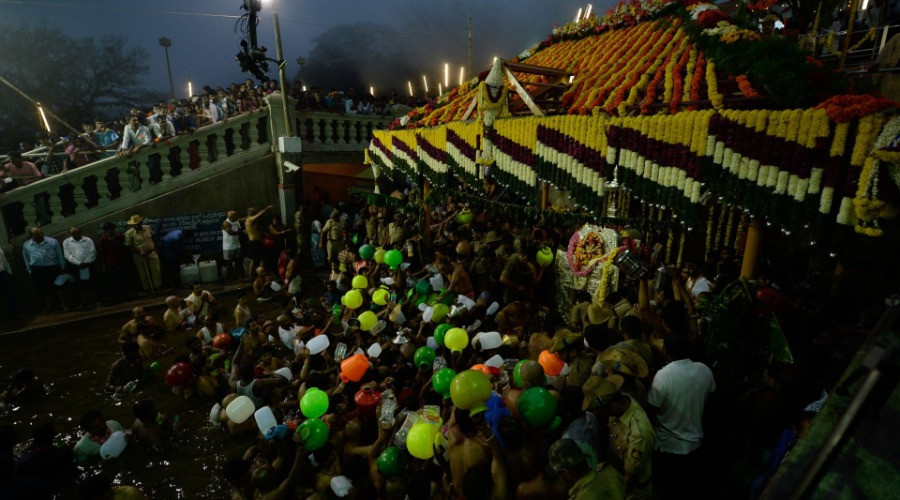
Flowing with the Faith
For the Kodavas, Kaveri Sankramana is one of their most significant and widely celebrated festivals. During this festival, the region comes alive with joyous celebrations, as communities praise the river that sustains and nourishes life.
Stories from our Community
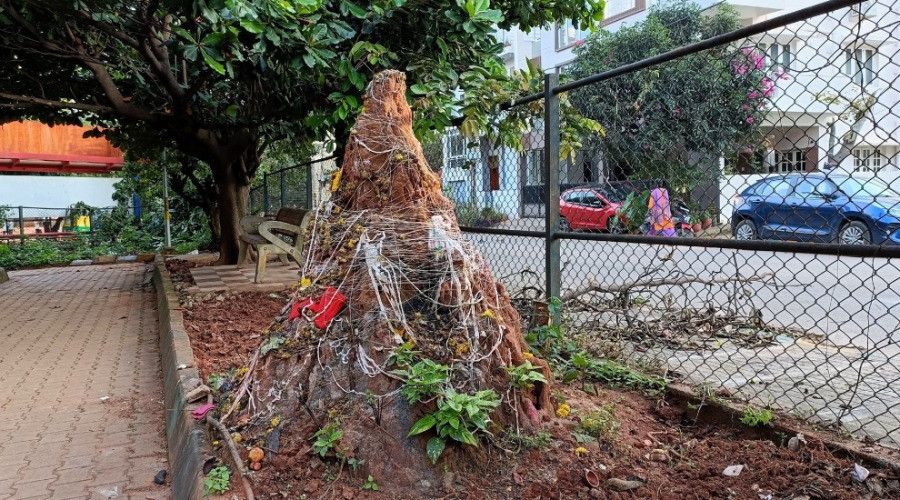
Termite Mounds: More Than Just Soil
Termite mounds are not just natural structures but living symbols of how ancient traditions and ecological wisdom have long guided our relationship with nature.
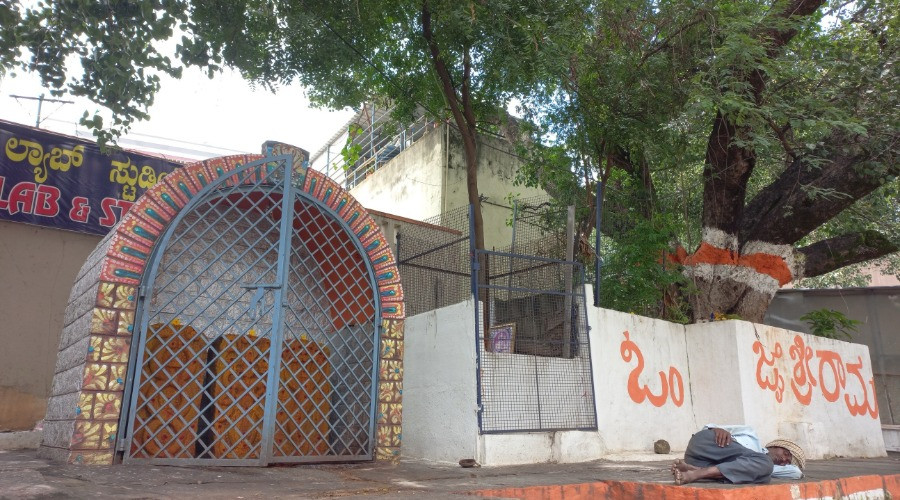
The Plague, a Goddess, and the Tree at the Heart of Bengaluru
These sacred platforms tell Bengaluru’s story of survival, belief and coexistence with nature.
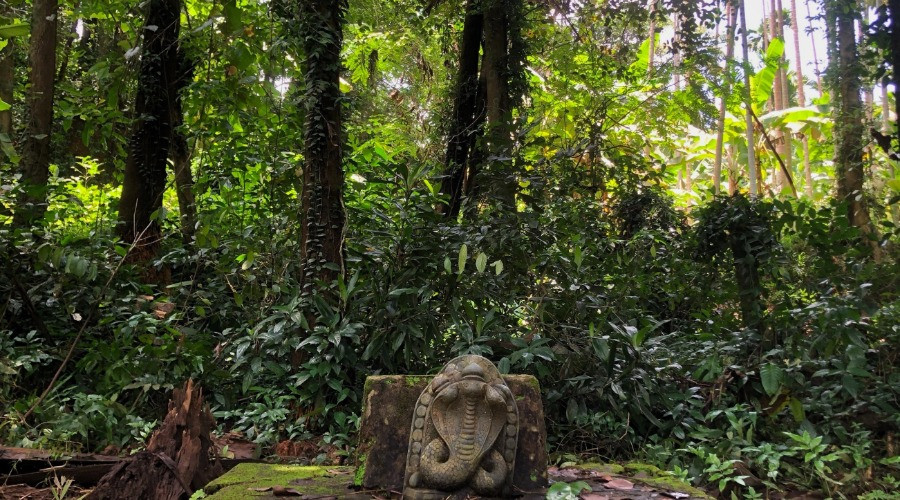
The Untouched Forests of Serpent Worship
In Karnataka and Kerala, serpent groves reveal how rituals preserved biodiversity for centuries, and how those traditions are now at risk.
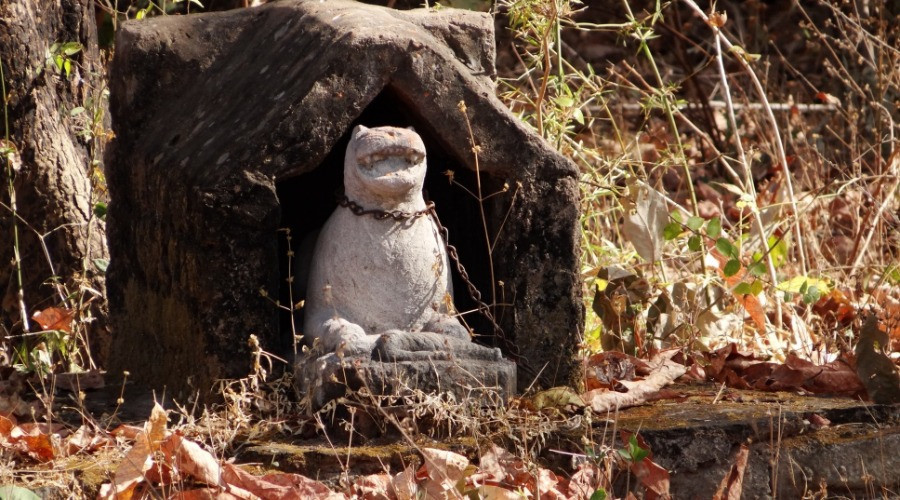
Tadoba’s Waghoba
In Tadoba, the tiger is revered as Waghoba, a guardian spirit whose presence shapes the land, the traditions, and the lives of the people who share the forest.
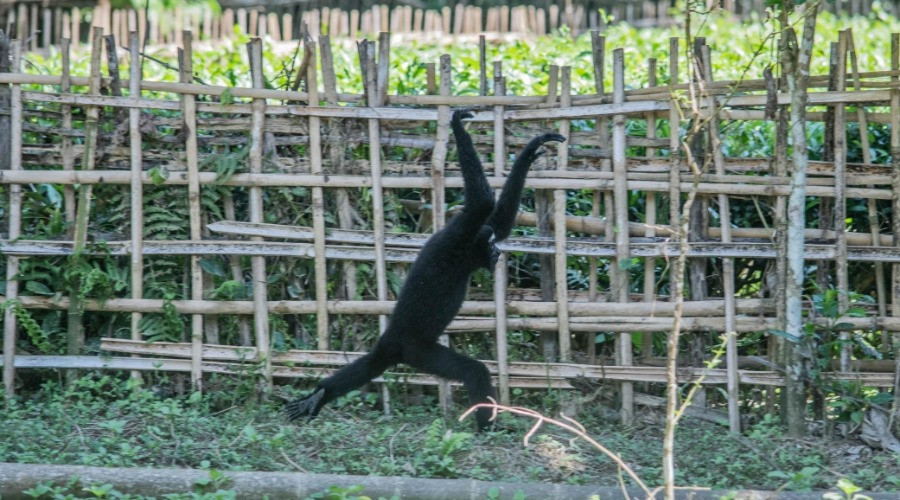
When the Gibbon Walks the Ground
How a community’s ritual response to a gibbon’s strange journey reveals an ancient understanding of ecological imbalance.<div><br></div>
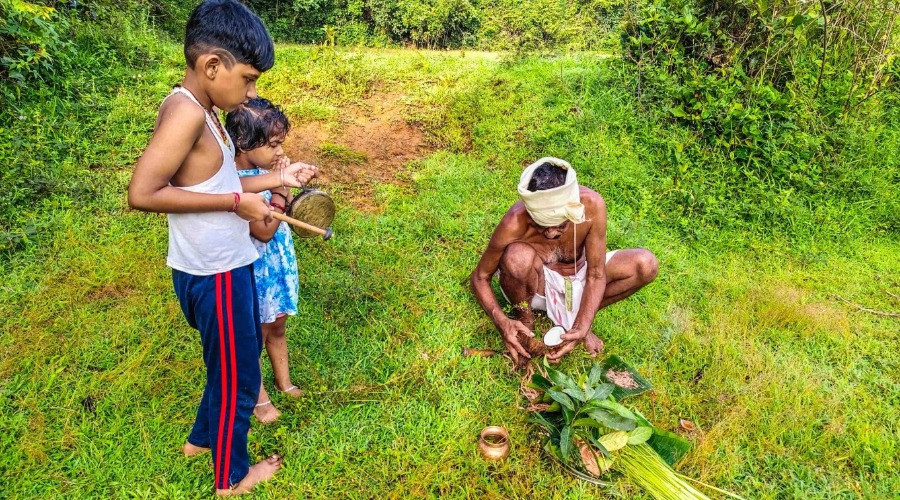
Koral Parbha: Honouring the First Harvest
A heartfelt celebration of Tulunadu’s first rice harvest, Koral Parbha honours age-old rituals, gratitude, and the deep bond between community and land.
-copy.JPG)
Of Temples and Bats
For generations, bats have found refuge in India’s temples—living quietly alongside rituals, myths, and communities. This story explores how sacred spaces became sanctuaries for wildlife, and what we stand to lose as these structures are transformed.
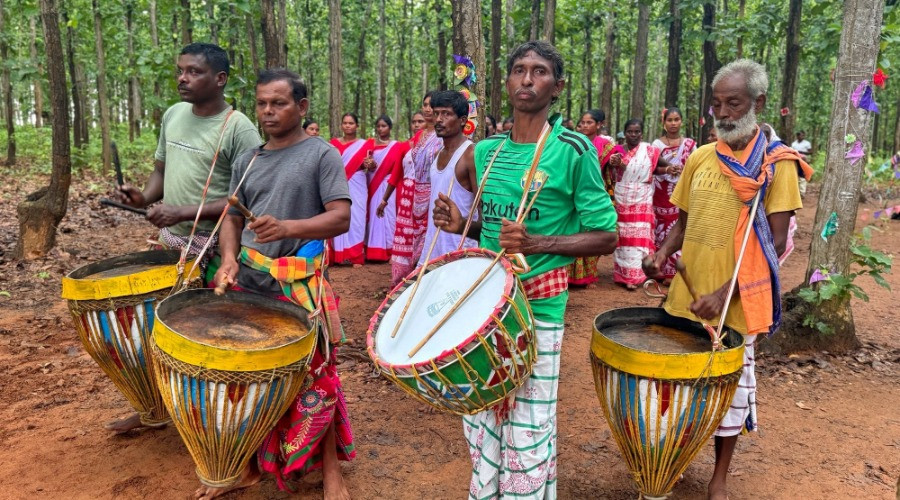
When Rakhis Wrap Around Trees, Not Wrists
Every year, in Mayurbhanj district of Odisha, the people of Hatimada come together to celebrate Raksha Bandhan in a way like no other.
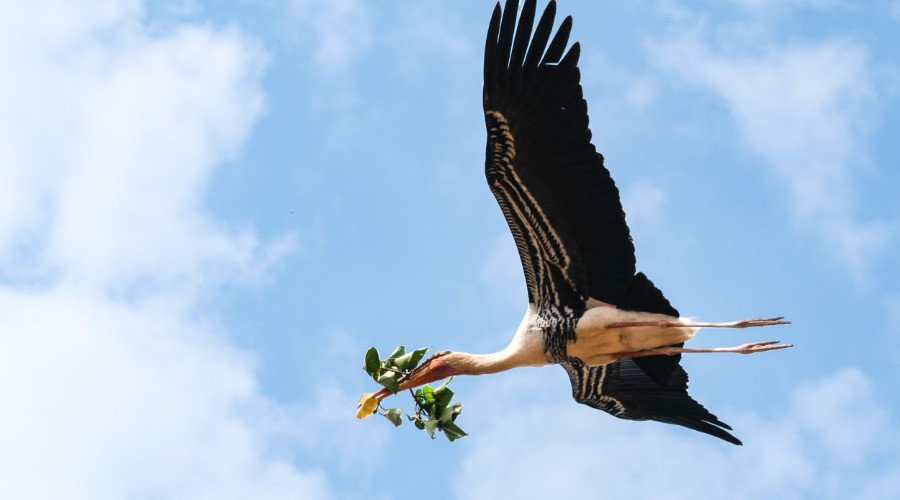
Kokkarebellur: A Village Built Around Nests
90 km from Bangalore, a small village becomes an abode for countless bird families. What’s the story behind this village?
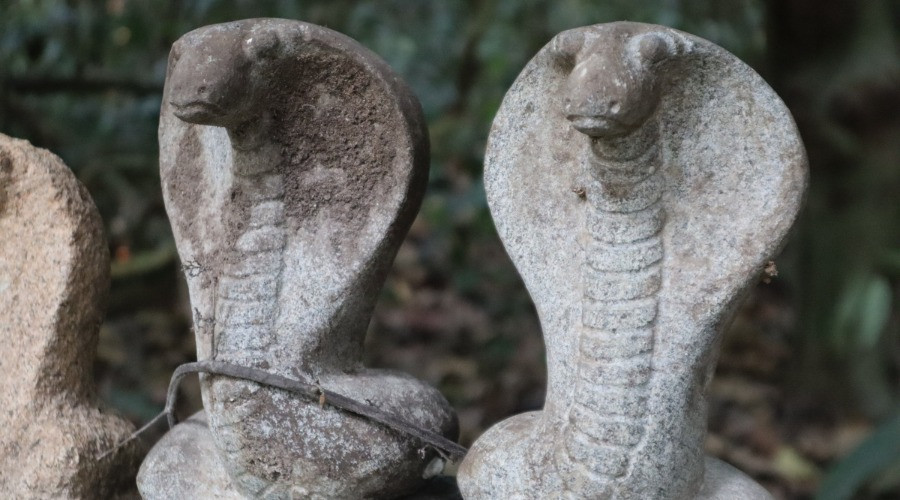
The Forgotten Sanctuaries
Hidden within India's landscapes, sacred groves are living sanctuaries where nature, mythology, and tradition intertwine.
Partners
In collaboration with




Supported by