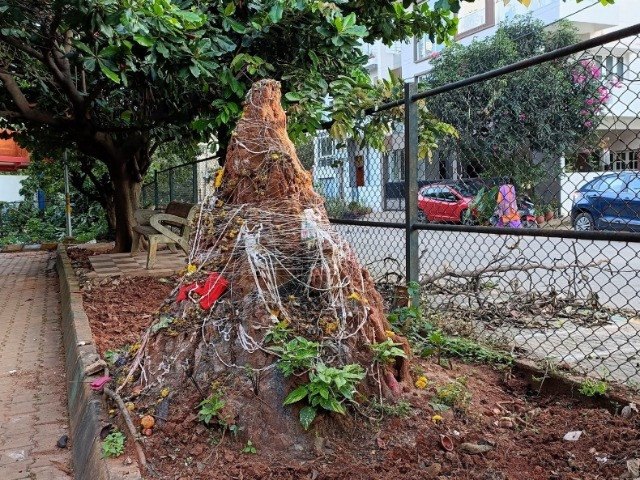
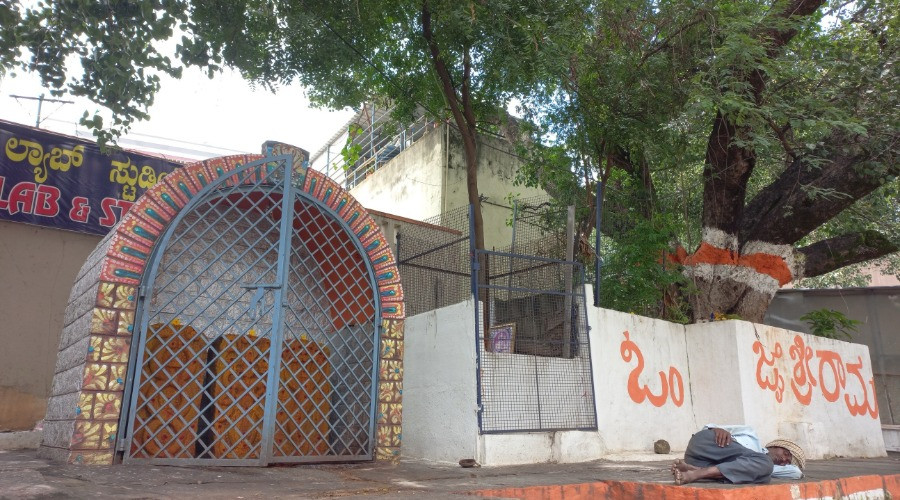
You see them all over Bengaluru. Tucked into the corners of busy intersections, in the quiet lanes of old neighbourhoods, standing silent, witnessing the city's relentless chaos. An old, gnarled Peepal tree, its roots wrestling with the pavement, encircled by a simple stone or cement platform. To the casual observer, it’s just a place to sit. A spot for elders to read the newspaper, for street vendors to rest in the shade. But this simple platform is a deception. It is not just a bench. It is a living monument to a forgotten pandemic, a masterpiece of ecological design, and the beating heart of the city's soul.
These are Ashwath Kattes, and this is their story. A story of how a community's faith, a goddess of sunlight, and a sacred tree came together to create a unique and sustainable urban space.
Before the story, there is the name. ‘Ashwath’ is the Sanskrit word for the sacred Peepal tree; ‘Katte’ is the Kannada word for the platform built around its base. But the Ashwath Katte is more than just its name. For centuries, long before it became a symbol of survival, the Katte was the central nervous system of community life in Karnataka. It has always been an inclusive public space where people, especially the urban poor, can gather without needing to spend money. It is the original open-air community centre—the village's memory, its courthouse, and its meeting room, all forged under the shade of a single, sacred tree. It was a perfect piece of social design. And in 1898, it was forced to become a frontline in a war against a deadly disease.
In the late 19th century, the bubonic plague swept through Bengaluru, bringing the city to its knees. The British administration, armed with new ideas about sanitation, responded by planning "hygienic" new suburbs, like Basavanagudi and Malleswaram. But the city's older residents turned to a different kind of power: Mariamma, the plague goddess.
As historian Janaki Nair notes, many temples dedicated to Mariamma were built during this time. One of the most significant is the Bisulu Mariamma temple in Dodda Mavalli. In Kannada, ‘Bisulu’ means sunlight. This particular goddess, it was believed, derived her power from the sun and had to be housed in a shrine that was open to the sky. This wasn't just blind faith; it was a combination of the sacred and the scientific. The belief that direct sunlight, a natural disinfectant, could prevent the spread of disease endorsed the faith in this goddess as the remover of illness.
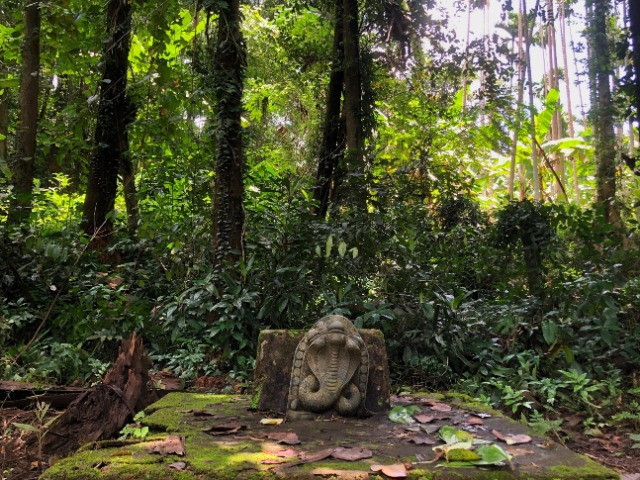
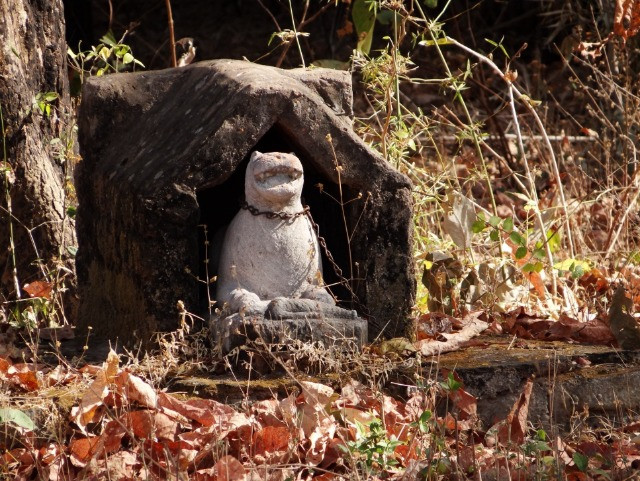
And what do you almost always find next to these goddess shrines? An Ashwath Katte. The connection is a stroke of genius. The Peepal tree (Ficus religiosa) is sacred, often laden with icons of snake gods (nagakals), providing the religious sanctity for the shrine. The platform itself, however, remains open to the sky, allowing the sun to stream in, cleansing the very space where the community gathers.
This act of tree worship has a profound side effect: community-based conservation. By protecting the sacred tree, the community also preserves a vital ecological asset. The Ashwath tree is what ecologists call a keystone species. Its figs provide a year-round buffet for a huge variety of birds, bats, and monkeys, while its sprawling branches offer shelter. It is not just a sacred object; it is a bustling, biodiversity hotspot in the middle of a concrete jungle.
The Ashwath Katte, therefore, is a perfect synthesis: a religious site, a social hub, and an ecological sanctuary. It is a nod to a time when faith, community, and practical, life-saving design were not separate things, but were blended seamlessly. It is truly a sustainable urban space, generated and sustained by the community itself.
The next time you walk past one of these beautiful, ancient structures, don't just see it as a relic. See it as a blueprint. It is a living museum, a monument to the city's resilience, and a quiet, powerful lesson in how to build a world where nature and community are not two separate things, but the same.