National
India Records Highest Number Of Tiger Deaths In The Last Five Years
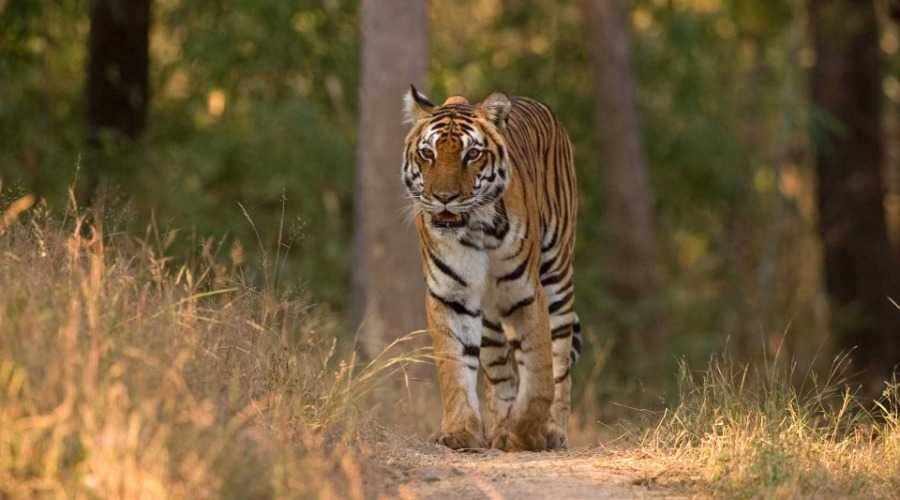
The National Tiger Conservation Authority (NTCA) has reported that India recorded 127 tiger deaths in 2021, with Madhya Pradesh (42), Maharashtra (27), Karnataka (15) and Uttar Pradesh (9) leading the charts. Tiger fatality numbers were coming down after hitting a peak in 2016 (122), even dropping as low as 96 in 2019. But with hunting incidents rising by a whopping 155 per cent during the pandemic, tiger fatalities had climbed to 106 in 2020. Citing Nagarahole Tiger Reserve (with 125 tigers) in Karnataka as a good example, officials opined that the high tiger density in reserves across the country is a major concern.
Read more: India saw highest number of tiger deaths in 2021 | Deccan Herald
India’s Continued ‘Forest Cover Increase’ Is Not The Whole Truth
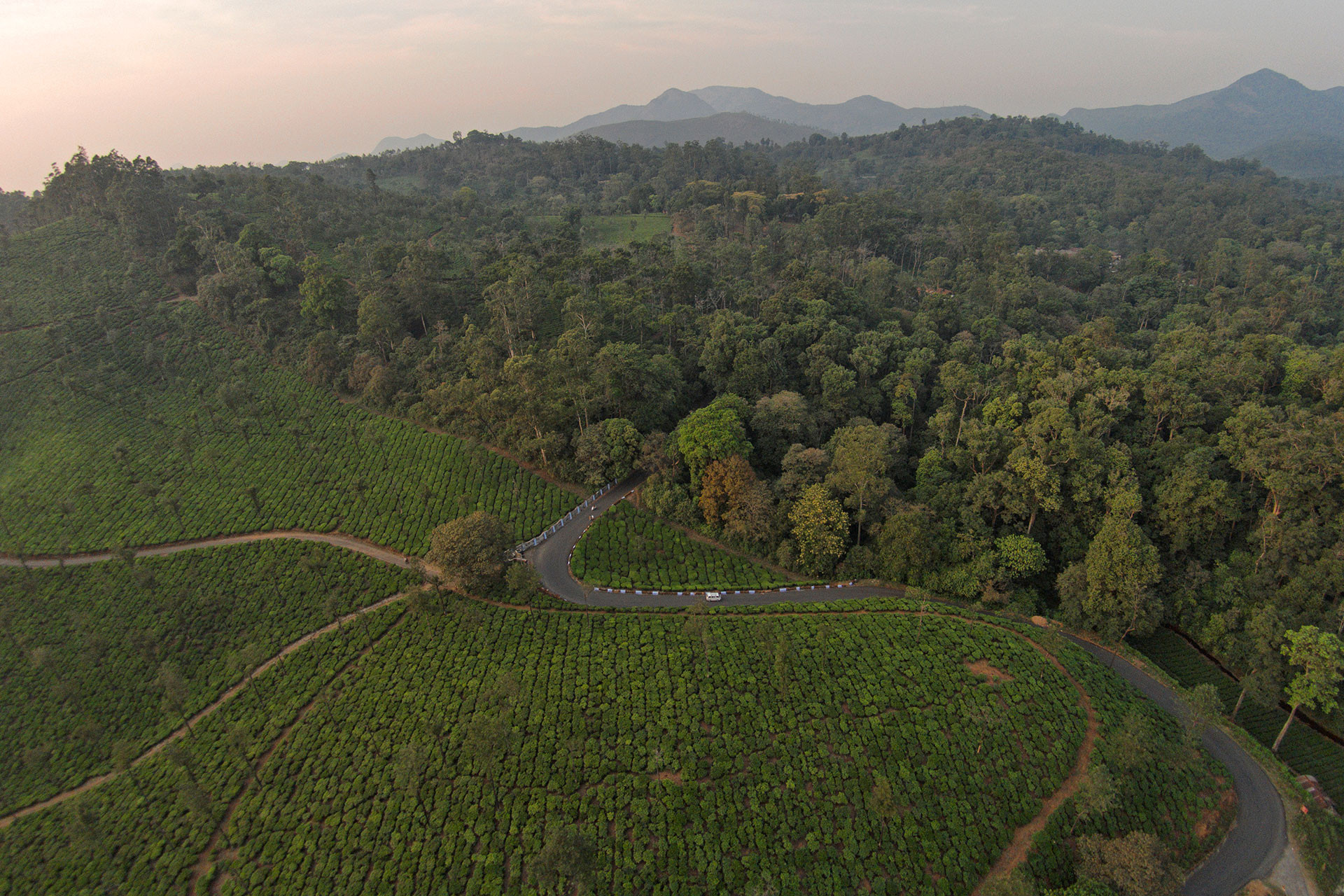
Ever since 2001, the India State of Forest Reports (ISFRs), which are released every two years, have been claiming how the country's forest cover has been going up—by an eye-popping 80,000 sq.km. But it has come to light that the same reports have also been lumping tea estates, coconut plantations and homestead gardens of suburban housing developments as 'forests'. Ecologists M.D. Madhusudhan and T.R. Shankar Raman explain this "sleight of hand" in this detailed breakdown for The Hindu. "It is critical that the ISFRs start tracking the well-being of our natural forests separately from other ‘green’ areas that humans are continuing to create by destroying natural habitats," they write.
Read more: Is India’s forest cover really increasing? Official maps don’t tell you the whole truth | The Hindu
The Accidental Discovery Of India’s Newest Mammal
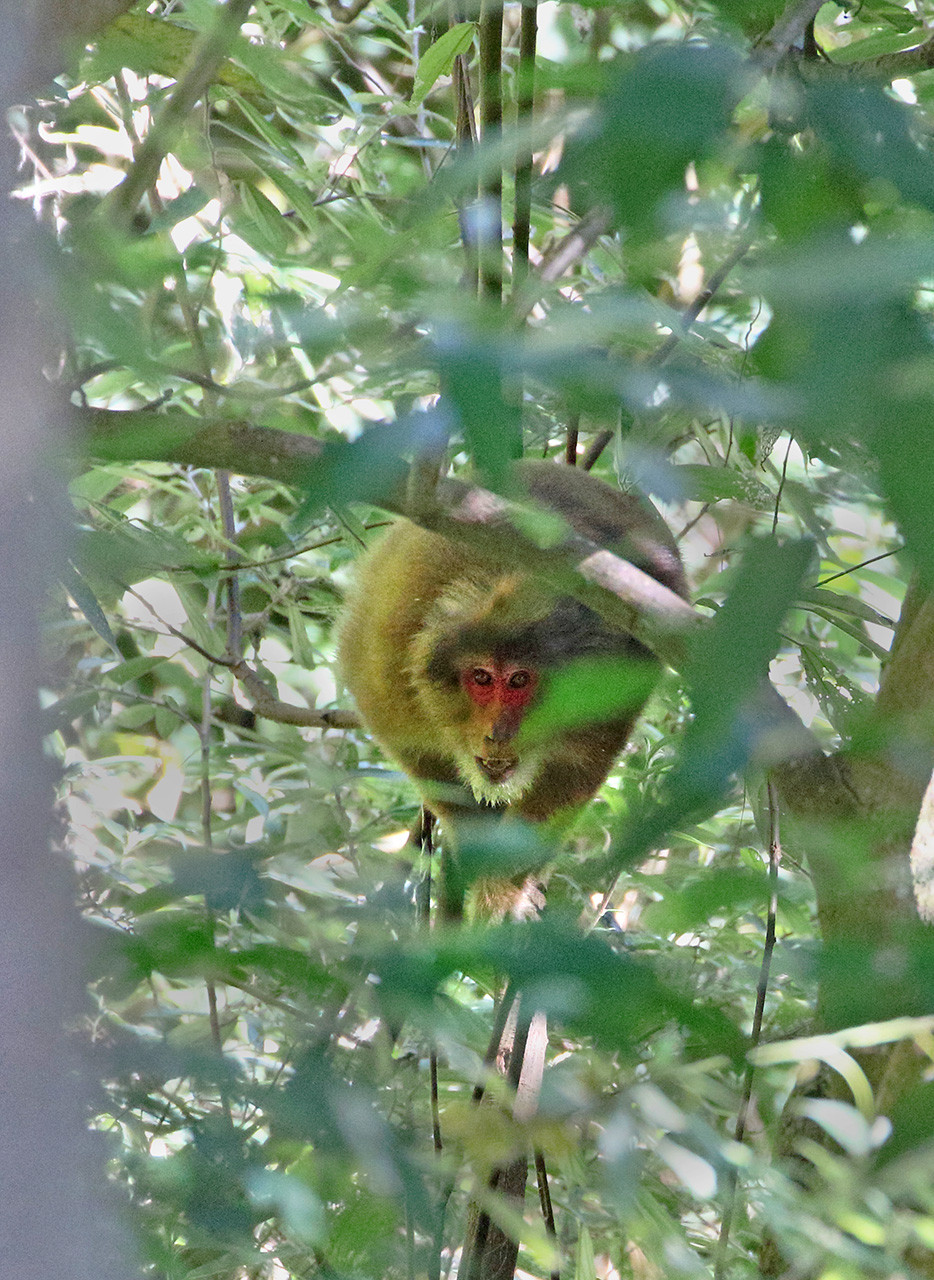
With distinct white cheeks, long, thick hair on the neck and a longer tail than other macaque species, the White-cheeked Macaque (Macaca leucogenys) is the last mammal to be discovered from Southeast Asia. Discovered in China in 2015, it is only recently that scientists from the Zoological Survey of India (ZSI) stumbled upon its presence in India, in the remote Anjaw district of central Arunachal Pradesh. “One of my students, Avijit Ghosh, was tracking the Arunachal Macaque that we have been studying. He collected faecal and skin samples of the macaque, and when we carried out DNA sequencing at the ZSI lab, expecting it to be the Arunachal Macaque, we realised it was actually the White-cheeked Macaque,” said the lead author of the study, Dr Mukesh Thakur.
Read more: Meet India’s newest mammal: White Cheeked Macaque | India News, The Indian Express
[ai:Dynamicsnippets postids=1005-808]
International
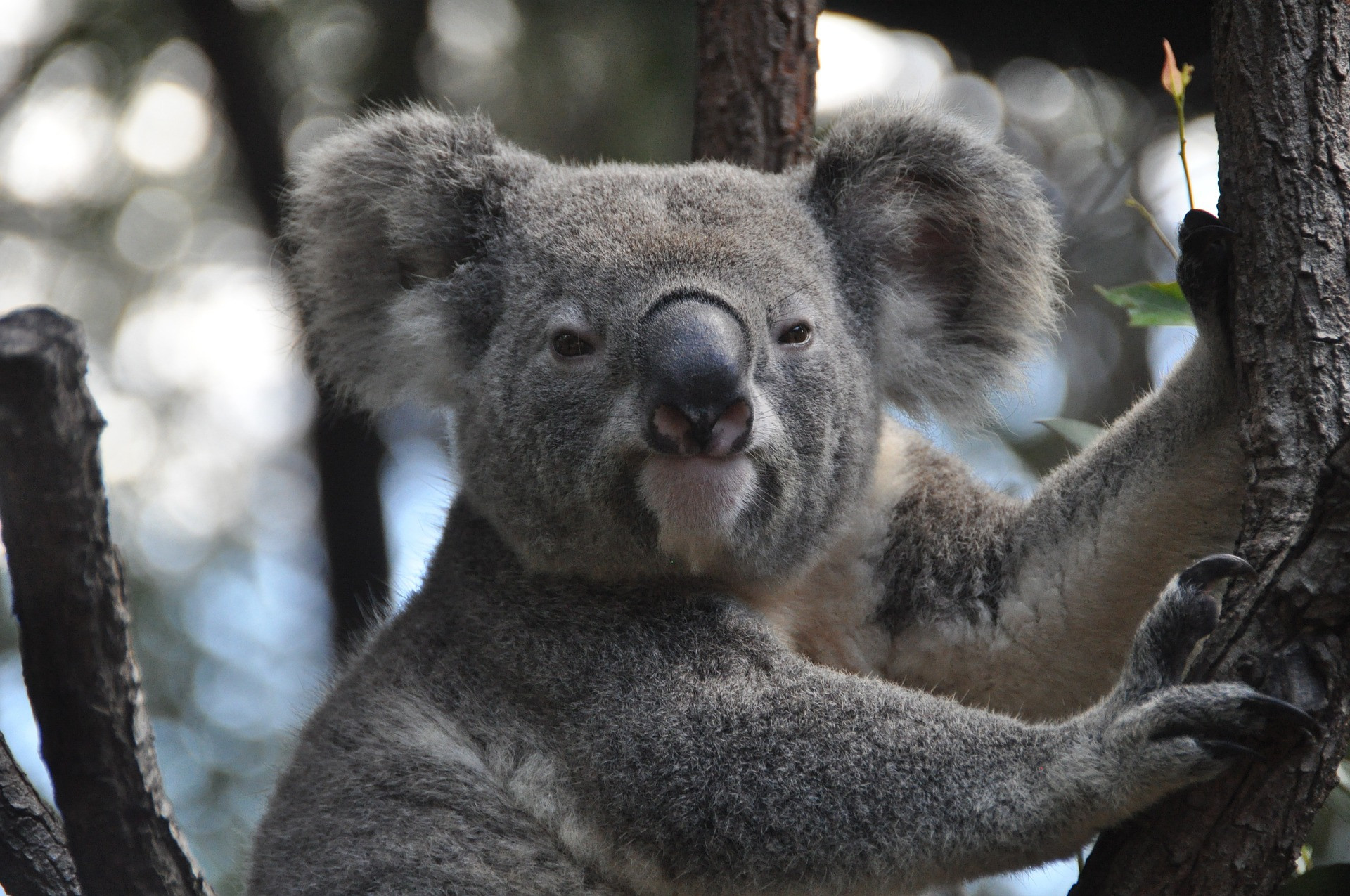
Koalas Are Now Officially Endangered
On February 11th, the Australian government declared the Koala an endangered species. An emblem of Australia's unique wildlife, Koala numbers have reduced drastically, owing to drought, bush fires, disease and habitat loss. Though the reclassification does not require the government to take any action, a new recovery plan is set to be issued by the country’s environmental department. “If the clearing of the Koala habitat continues,” Deborah Tabart, chairwoman of the Australian Koala Foundation, said to The New York Times, “a further status change is imminent—from endangered to extinct.”
Read more: Koalas: Australia lists marsupial as endangered species | BBC News
‘Pharmaceutical Pollution Poses A Global Threat to Human And Environmental Health’, Warns New Study
According to a new study, pharmaceutical drugs have polluted the world’s rivers to dangerous levels. Scientists measured the concentration of 61 active pharmaceutical ingredients (APIs) at more than 1,000 sites along 258 rivers across continents and found that only two places in the world are left unpolluted—a Venezuelan village and Iceland. The highest drug concentrations were found in low-to-middle income countries, including India and Nigeria. Drug pollution is already known to harm wildlife. But antibiotics in the environment can drive up the risk of microbes developing drug resistance, which is cited by the WHO as the "single greatest threat to humanity."
Read more: Drugs have dangerously polluted the world’s rivers, scientists warn | Pollution | The Guardian