
National
Excessive rains in Rajasthan see Great Indian Bustards produce a 2-egg clutch
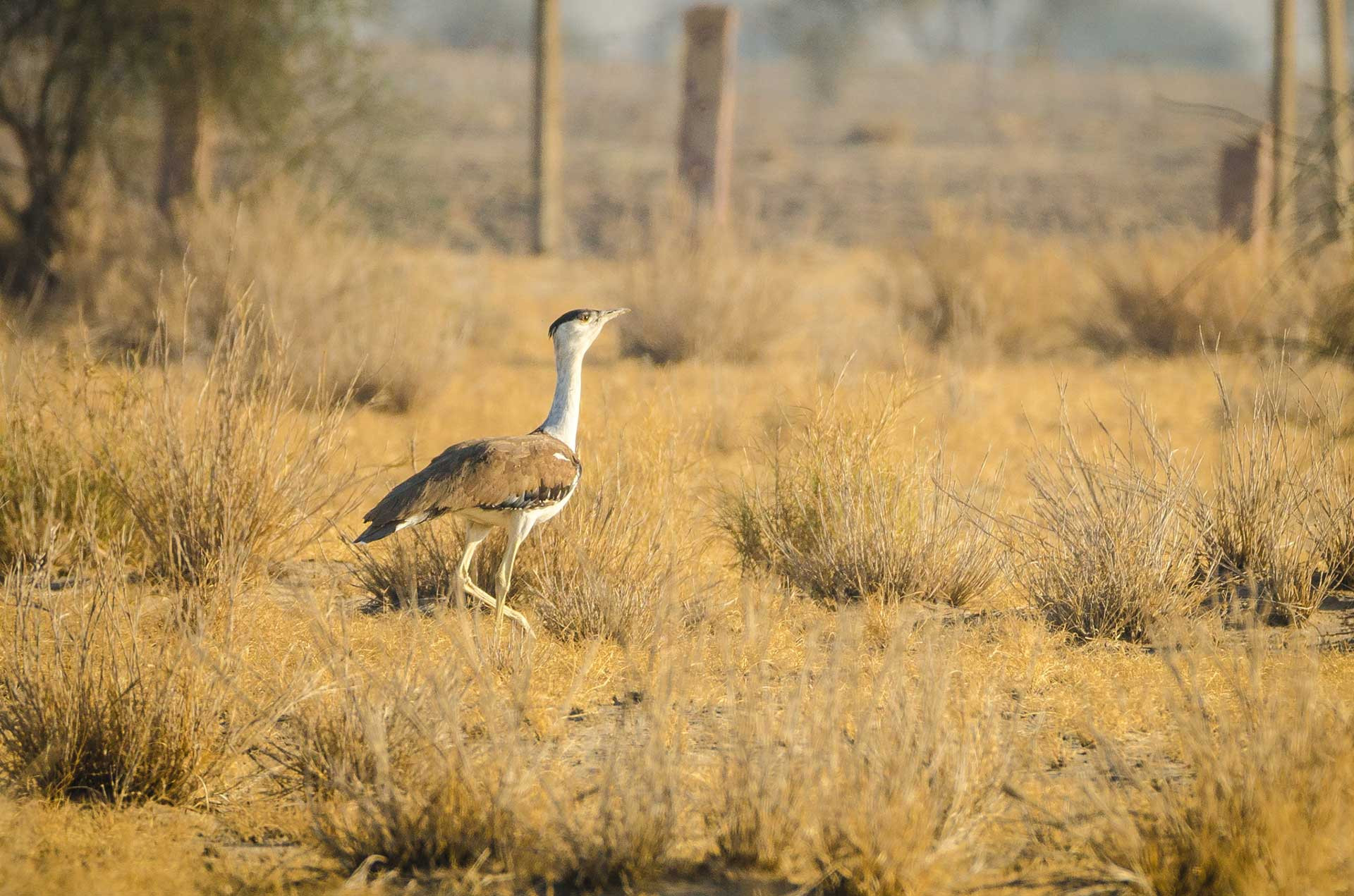
After the recent rains, the egg-laying habit of the critically endangered Great Indian Bustard (GIB) in western Rajasthan’s Desert National Park (DNP) has taken a surprisingly positive turn. GIBs are known to produce a clutch of a single egg during their breeding cycle, but now four females in DNP have laid two eggs each. “This year, there has been good rainfall, leading to good growth of Sevan grass where the GIBs lay eggs. Because of the moisture and humidity, the number of insects and pests also rose, leading to an increase in food for the big birds, because of which this year they were able to lay two eggs,” said Ashish Vyas, Deputy Conservator of Forests (DCF) in DNP. There are less than 150 individuals left in the wild today, with around 127 recorded in DNP, Rajasthan.
Read more: Why is Great Indian Bustard laying 20 eggs such a big deal? | Down To Earth
New study shows Indian cities have high PM2.5 emissions but low NO2 emissions
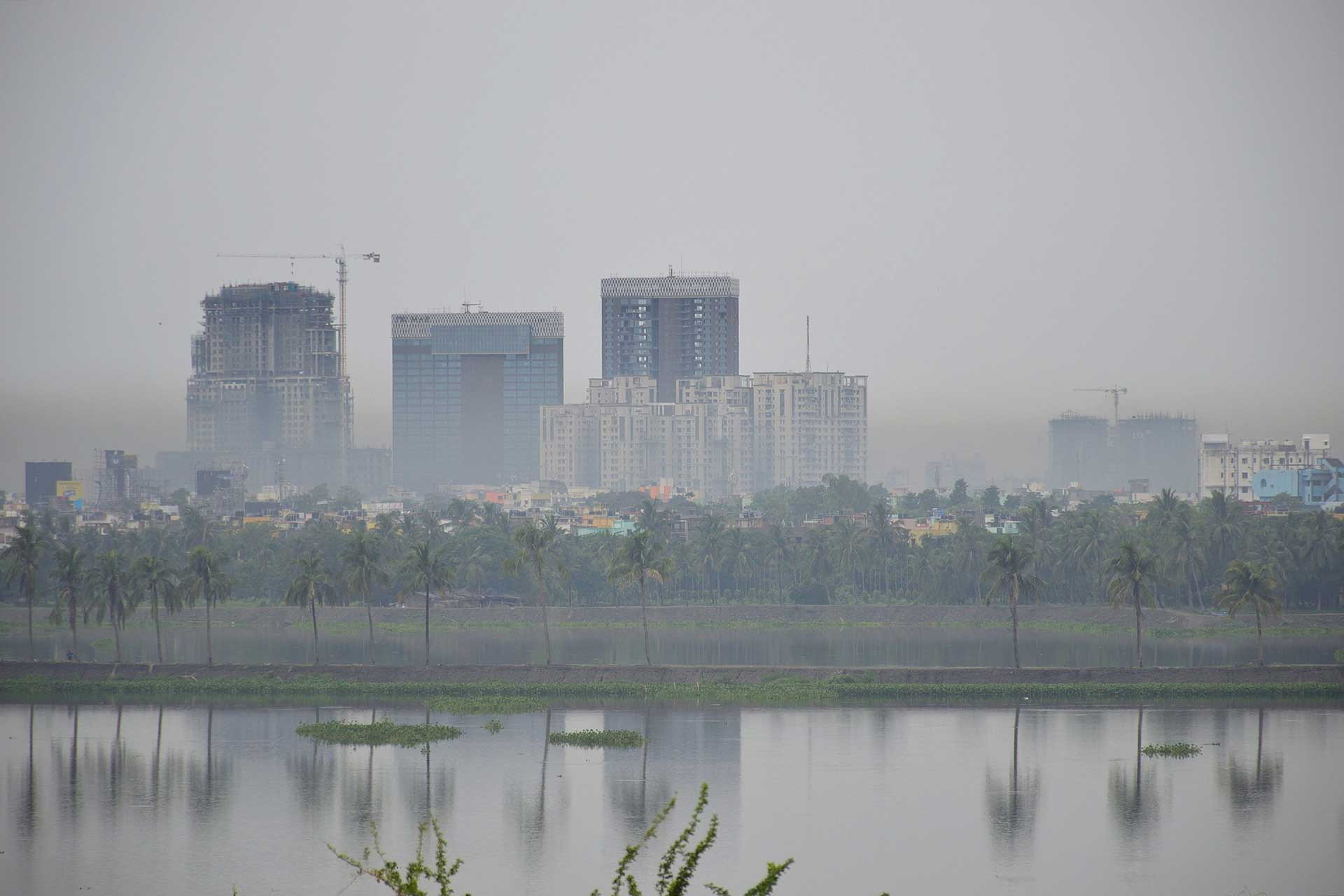
A global analysis of air quality has found that Indian cities record amongst the highest in the world for particulate matter emissions (PM2.5), but do better on nitrogen dioxide (NO2) emissions. Delhi and Kolkata ranked first and second in the list of the top 10 most polluted cities, with PM2.5 levels at 110 µg/m3 and 84 µg/m3 respectively (µg/m3 refers to a microgram per cubic metre). However, when comparing NO2 levels, no Indian city appeared in the list of top 10 or even top 20!
Read more: Delhi’s PM2.5 levels worst in the world | The Hindu
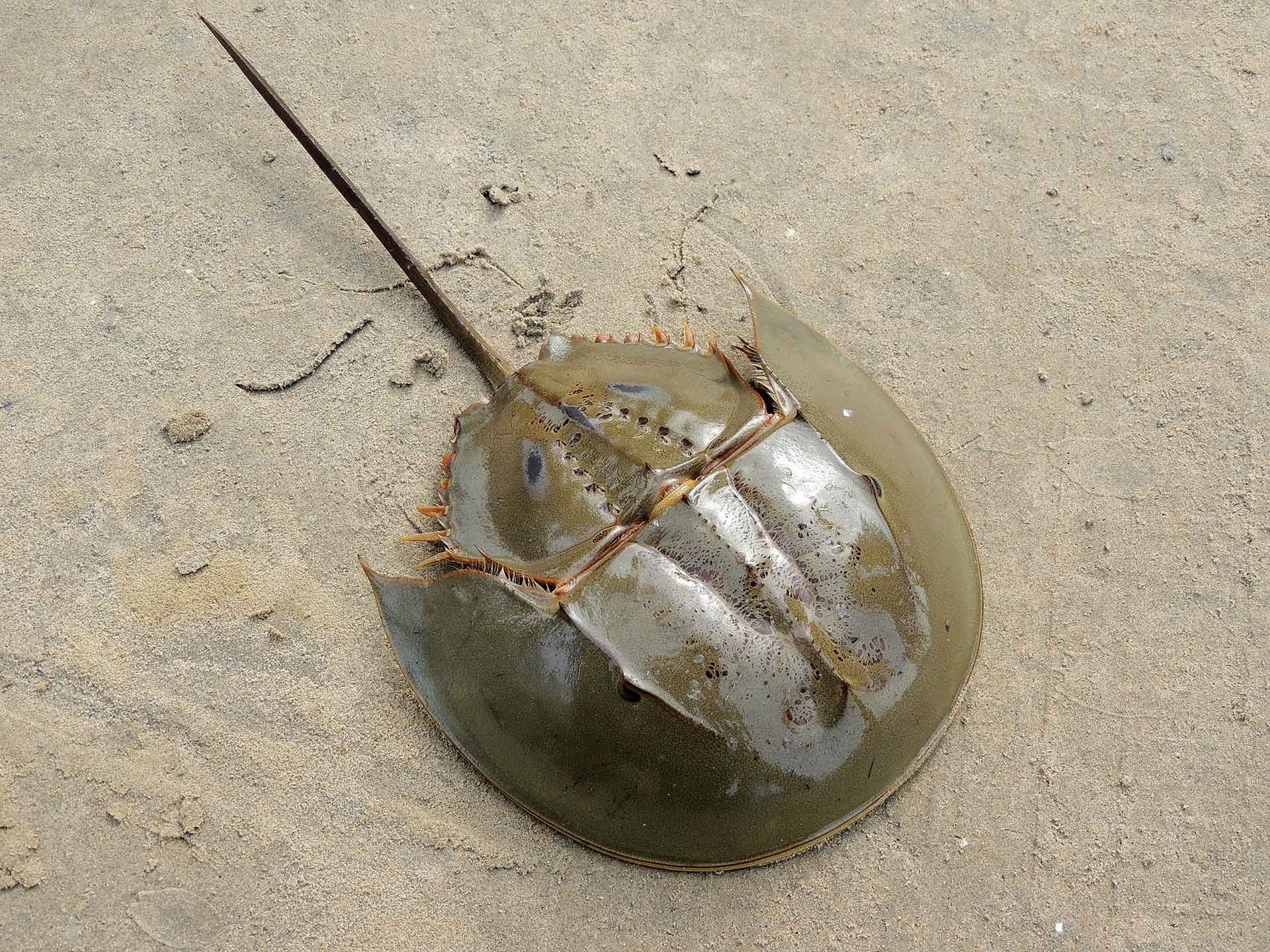
Endangered horseshoe crabs are increasingly stranded on India’s longest continuous coastline
Endangered horseshoe crabs are endemic to the beaches of West Bengal, Odisha and Andhra Pradesh in India. The stretch of beaches along the West Bengal-Odisha border is home to the largest population of the species in the country. But alas, marine strandings in this coastal region are on the rise, particularly of horseshoe crabs. A team of scientists from the Indian Institute of Science Education and Research’s (IISER) Department of Biological Sciences and Center for Climate and Environmental Studies are working with local fisherfolk to save stranded horseshoe crabs. “We have built a community-level network where whenever any horseshoe crab gets caught in nets, I am informed. I tell them to take a photo and release it,” says Punyasloke Bhadury, a professor at the IISER, who heads the research team.
Read more: In West Bengal, marine strandings of endangered horseshoe crabs are increasing | The Indian Express
More national headlines:
- The curious case of the woolly-necked stork and its rising numbers in Haryana | Mongabay
- Alert in two AP districts after tiger strikes at will again | The New Indian Express
- Karnataka unveils whale shark conservation drive to create awareness | Deccan Herald
[ai:Dynamicsnippets postids=651-394]
International
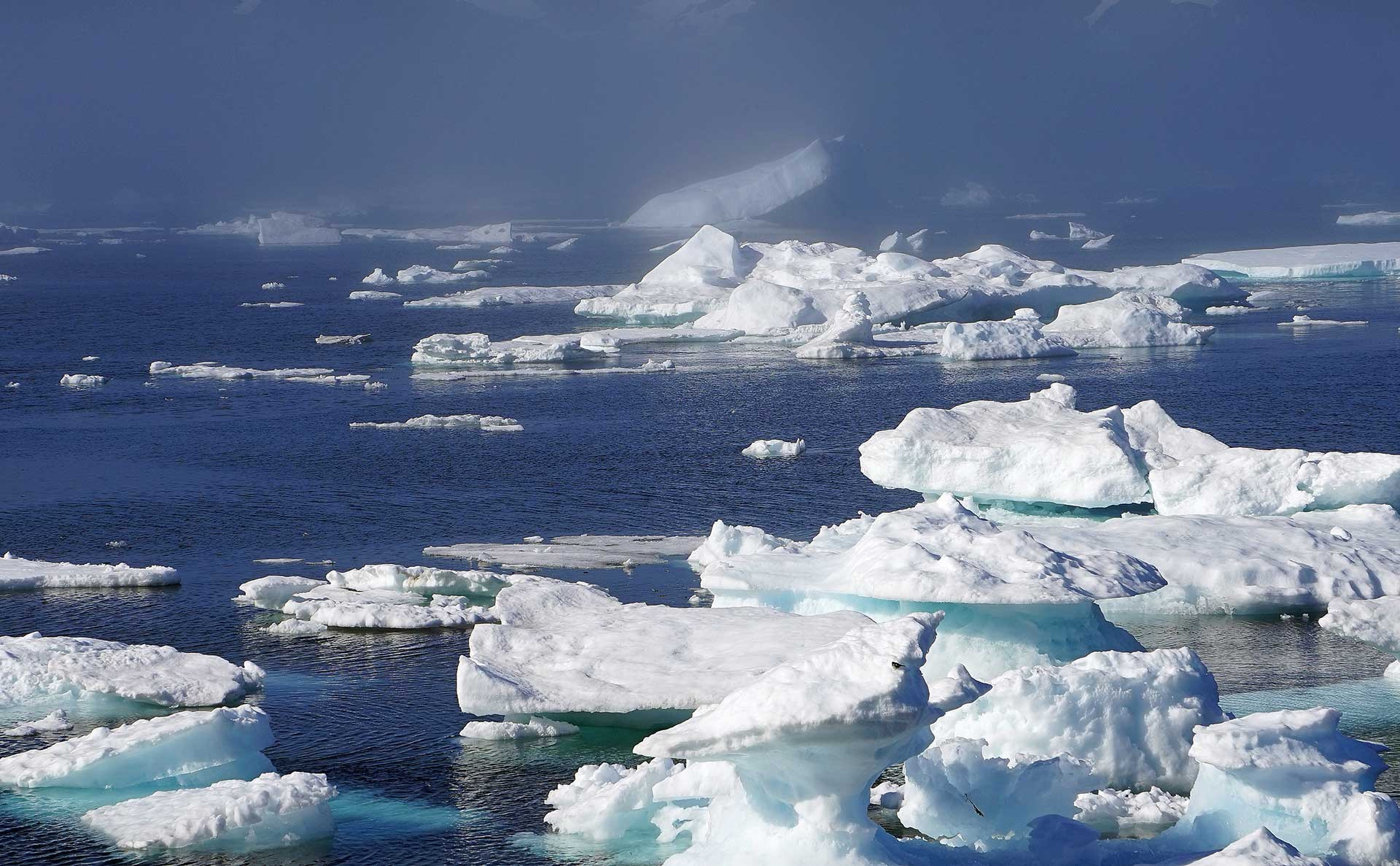
‘Inevitable’ that the global sea level will rise by more than 10 inches!
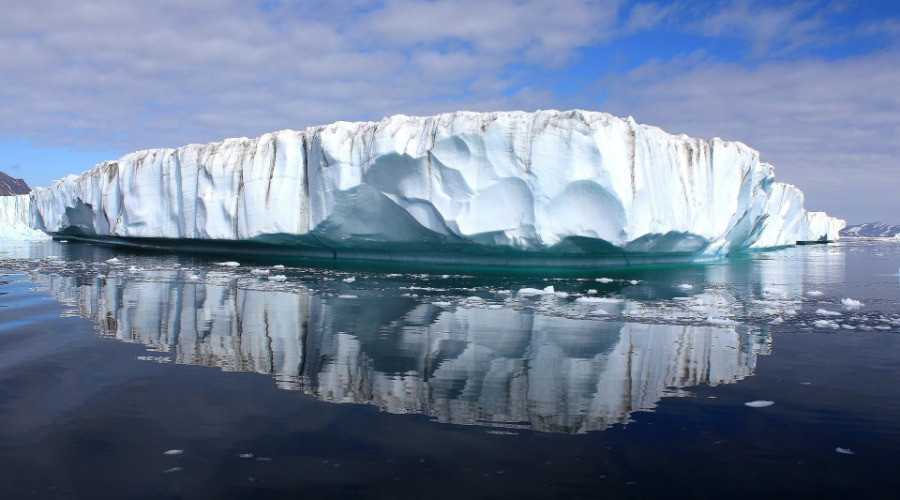
Scientists have found that even if we stop burning fossil fuels (considered the driving factor for the climate crisis) overnight, a major sea-level rise from the heating of the Greenland ice cap is now inevitable. New research shows that the global heating to date will cause an absolute minimum sea-level rise of 27cm (10.6in) from Greenland alone as 110 trillion tonnes of ice melt. And, with continued carbon emissions, the melting of other ice caps and the thermal expansion of the ocean, a multi-metre sea-level rise appears likely. “It is a very conservative rock-bottom minimum,” said Professor Jason Box from the National Geological Survey of Denmark and Greenland (Geus), who led the research. “Realistically, we will see this figure more than double within this century.”
Read more: Major sea-level rise caused by melting of Greenland ice cap is ‘now inevitable’ | The Guardian
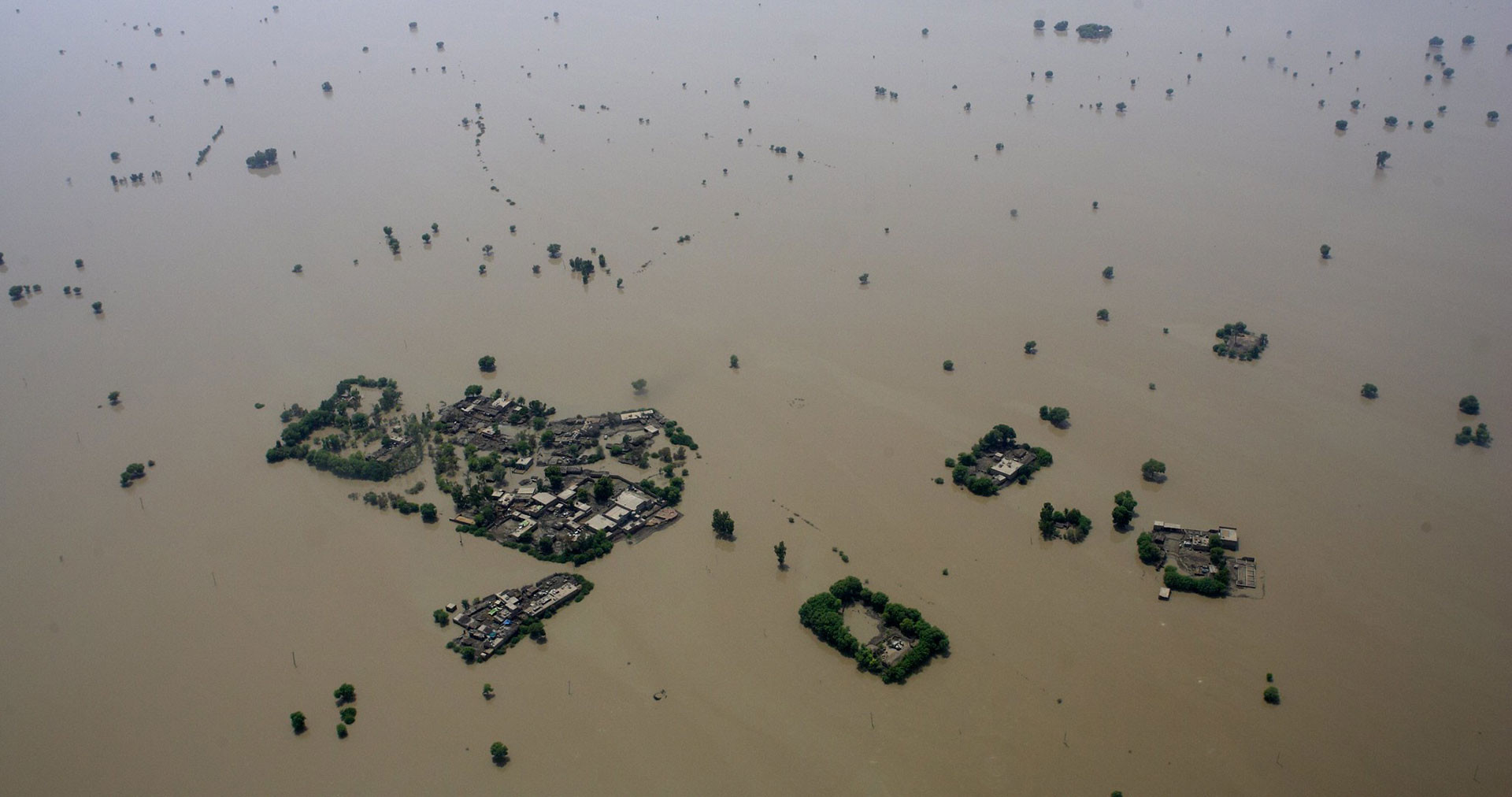
Pakistan Floods: At least 1,136 dead. More than 33 million affected!
As per early estimates, the devastating floods have caused at least £8.5bn worth of damage, said Pakistan's planning minister, Ahsan Iqbal. His comment comes as climate change minister Sherry Rehman said that one-third of the nation has been submerged. Flash floods caused by historic monsoon rains have killed at least 1,136 people and affected more than 33 million, over 15 per cent of the country's population. The South Asian nation has received a $1.1bn bailout from the International Monetary Fund (IMF).
Read more: Pakistan floods: Disaster to cost more than $10bn, minister says | BBC News
More international headlines:
- 1st sea turtle nest found on Mississippi beach since 2018 | AP News
- The Dugong ‘Sea Cow’ Has Vanished from China’s Waters, Study Says | The New York Times
- Dinosaur tracks revealed in Texas as severe drought dries up river | The Guardian
- European drought unearths Nazi warships in Danube, historic ruins | The Washington Post