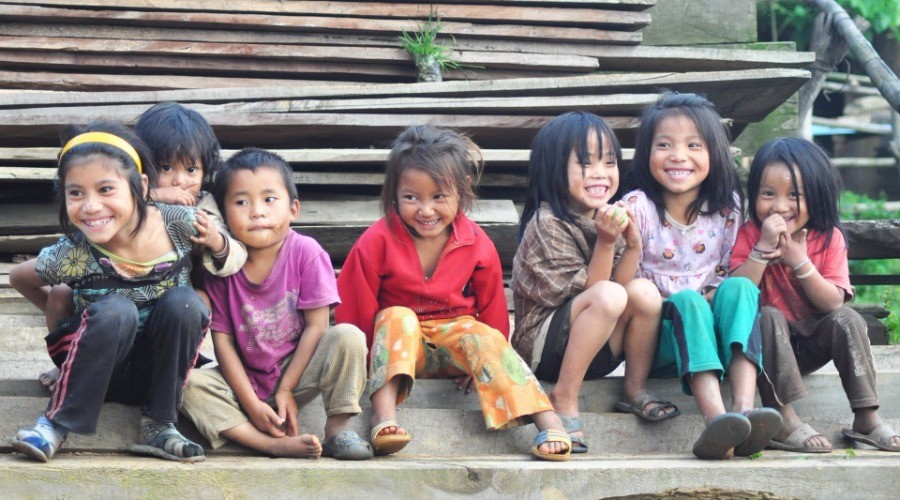
Choklangan, located on the Indo-Myanmar border, is a small, remote village in Nagaland just across the mountains. Away from the regular tourist hotspots in the northeast, this village of around 300 homes, is not known to many travellers, with poor connectivity in every possible way, be it road, mobile or electricity.
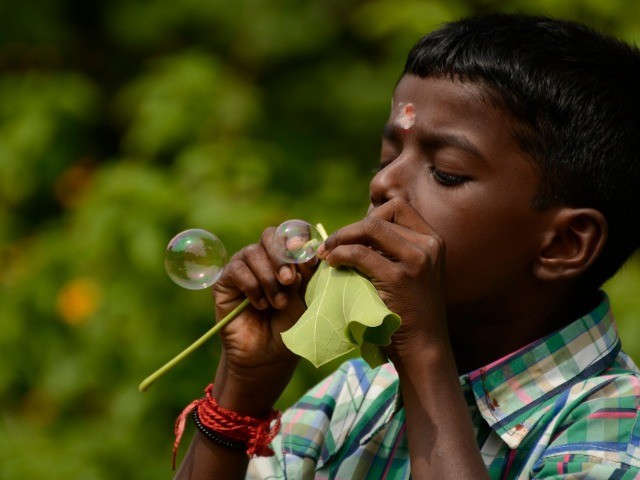
It is in this isolated scenario that children are spearheading a unique wildlife and biodiversity conservation programme. Twenty-two school children have stepped up to form the first eco club in their sub-district region of Tuensang, naming their club Khelia after the mountain that separates Myanmar and their village.
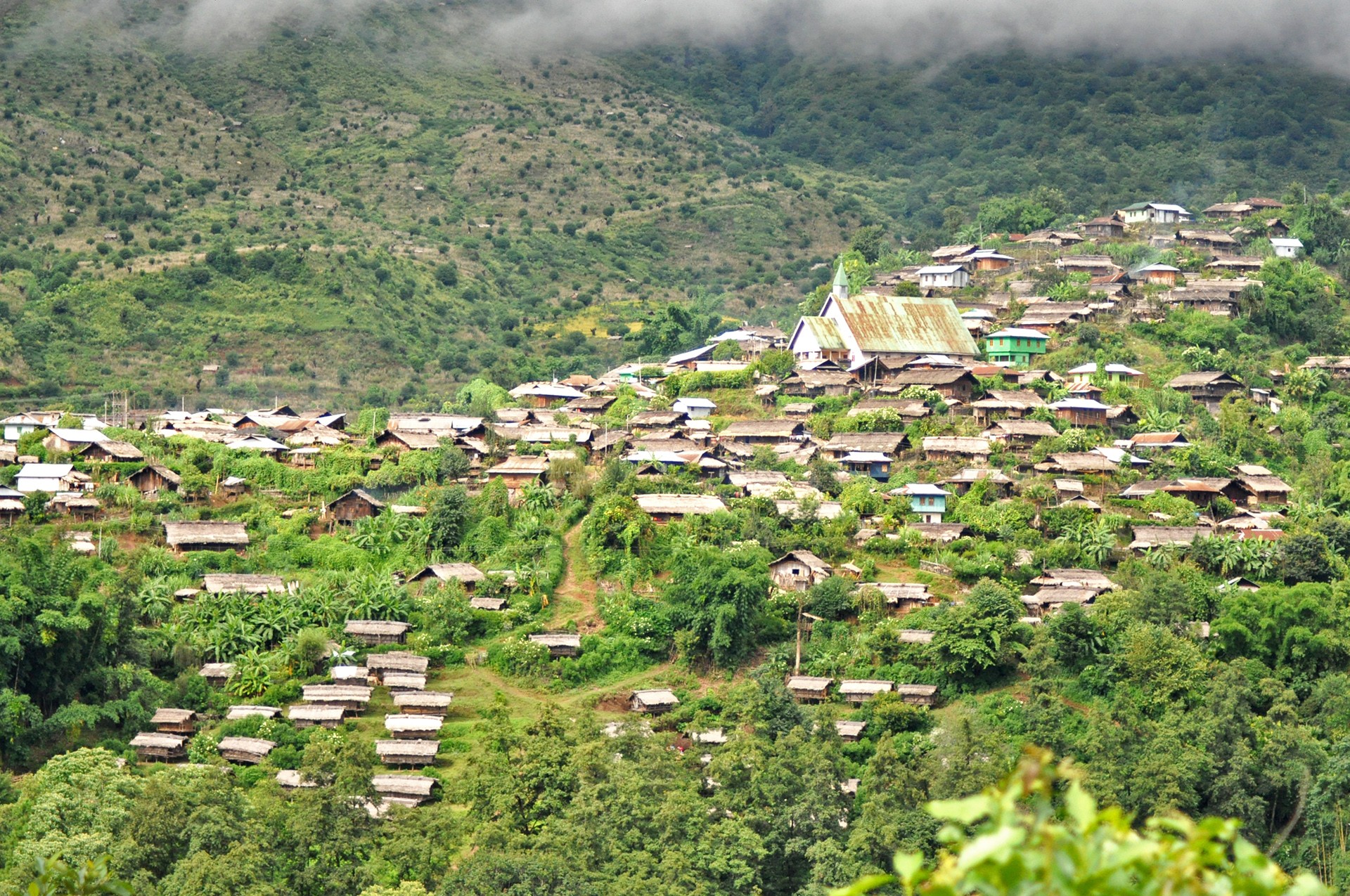
Nagaland is situated in the Indo-Myanmar region – one of the largest biodiversity hotspots in the world. The region itself is an intriguing example of human-wildlife co-existence. On one hand there have been, until recently, mass killings of Amur Falcons and wild meat trade in open markets, and on the other, wildlife has persistently survived in a tribal-dominated landscape.
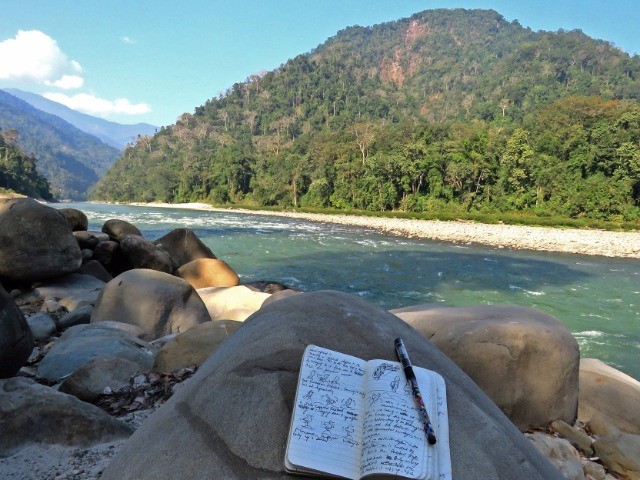
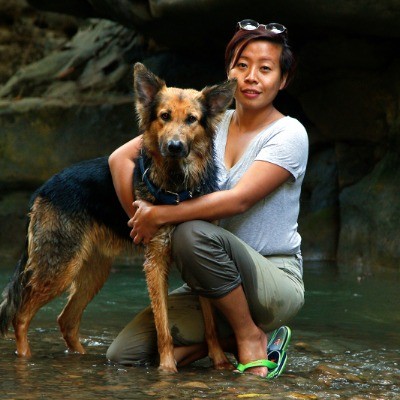
Balancing the need for protecting the wildlife and biodiversity of Nagaland with securing the subsistence for which village folk depend on the forests is a challenge. As a researcher documenting wildlife at the Indo-Myanmar border, I have been travelling to the remotest corners of Nagaland for the last three years, to explore the state beyond its rich and colourful attire of culture and festivals, to understand the complicated relationship between the locals and the wildlife.
My research sites include the villages of three districts in Nagaland: Kiphre, Tuensang, and Mon. Each community is unique in its personality, landscapes and traditions. They all talk about the diversity of wildlife that lives amongst them, and makes regular appearances in their folklore. It’s amazing how the behaviour of these animals has been carefully studied and transformed into wonderful camp stories passed down through generations for children, who never tire of listening to them.
Research interviews with the village elders mostly turn out to be tragicomic, with the respondents drooling over the mammal guide book with wide grins on their faces saying, “Itu mangso toh mitha ase” (Translation from Nagamese: this meat is tasty!).
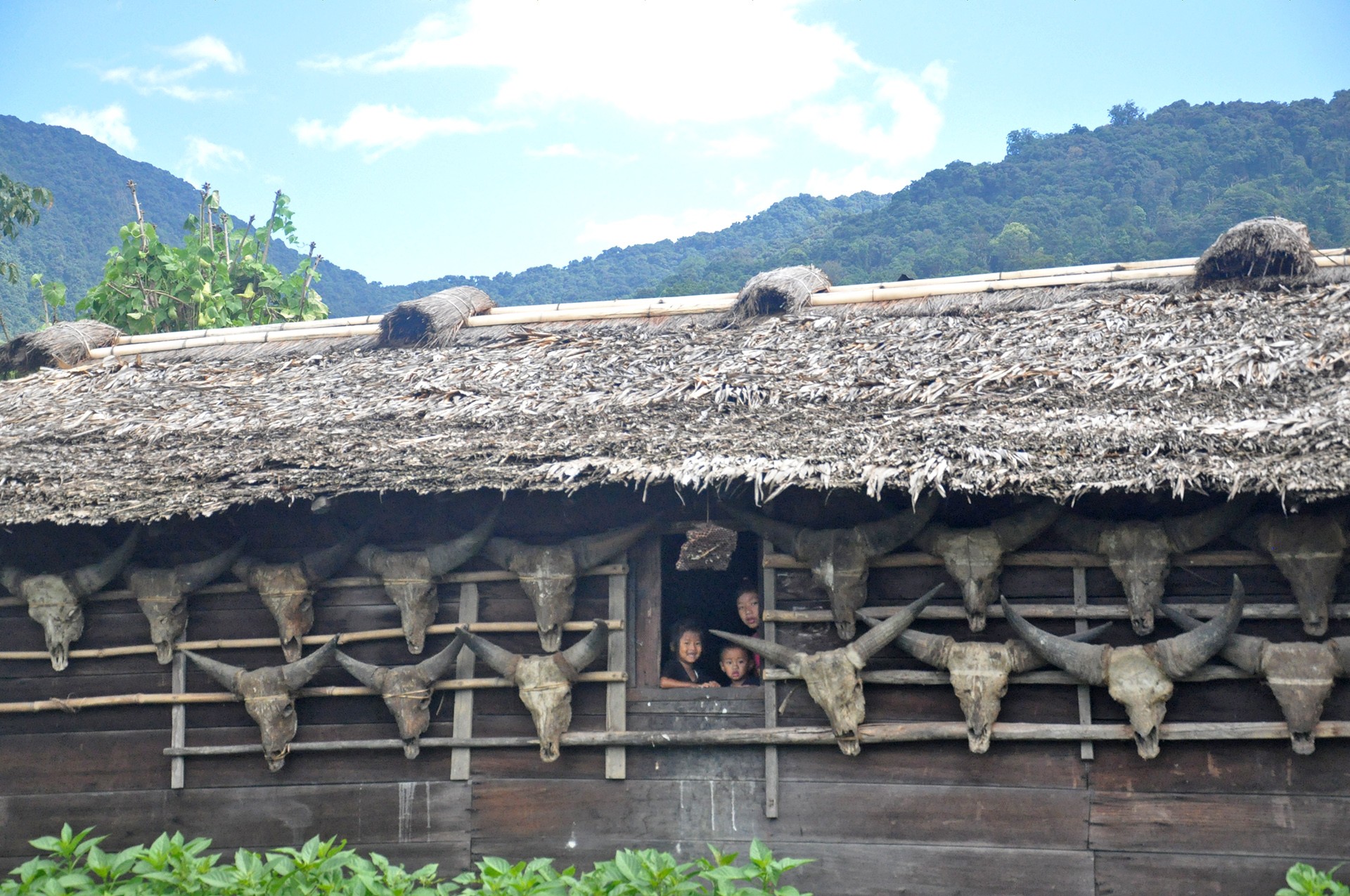
Interactions with the children innocently reveal the different types of wild meat their parents serve them.
While respecting traditions in an indigenous community is integral to preserving culture, blind attachment to tradition could be detrimental to wildlife that is already at risk. Hunting for subsistence and for traditional adornment has been a part of the tribal way of life. However, illegal hunting for trade and unconscious over-extraction of wild meat has led to the rapid diminishing of the wild population. In some cases, it has even led to the extermination of several species.
This has triggered the prioritisation of wildlife conservation in most communities. Most villages are now adopting a patch of forest to conserve. The act of owning land is to provide the community a sense of ownership, protection, and responsibilities. Eighty-three per cent of forest in Nagaland is community-owned, the largest amount in India. Community conservation has been a turning point for Naga society in terms of biodiversity conservation and this trend of protecting forests is picking up across the state. Community forest ownership lets locals, who solely depend on forest resources, protect and use them sustainably.
Most ancestral traditions emphasise reverence towards nature. That, coupled with education and awareness, especially aimed at children, could do a lot for conservation.
Cue Choklangan. As part of my project on "Documenting biodiversity in Indo-Burma Nagaland", October 22 2015, Lobeno Mozhui (a PhD student from department of Zoology from Nagaland University) and I had a brief interaction with the school children where she spoke of insect diversity and I spoke of mammal diversity.
The remoteness of the village had ensured a lack of conservation awareness. The village council had not imposed any major restrictions on hunting either. It took talks, eco-club activities and examples of other children-led programmes in other regions to get the teachers and students excited about starting their own club.
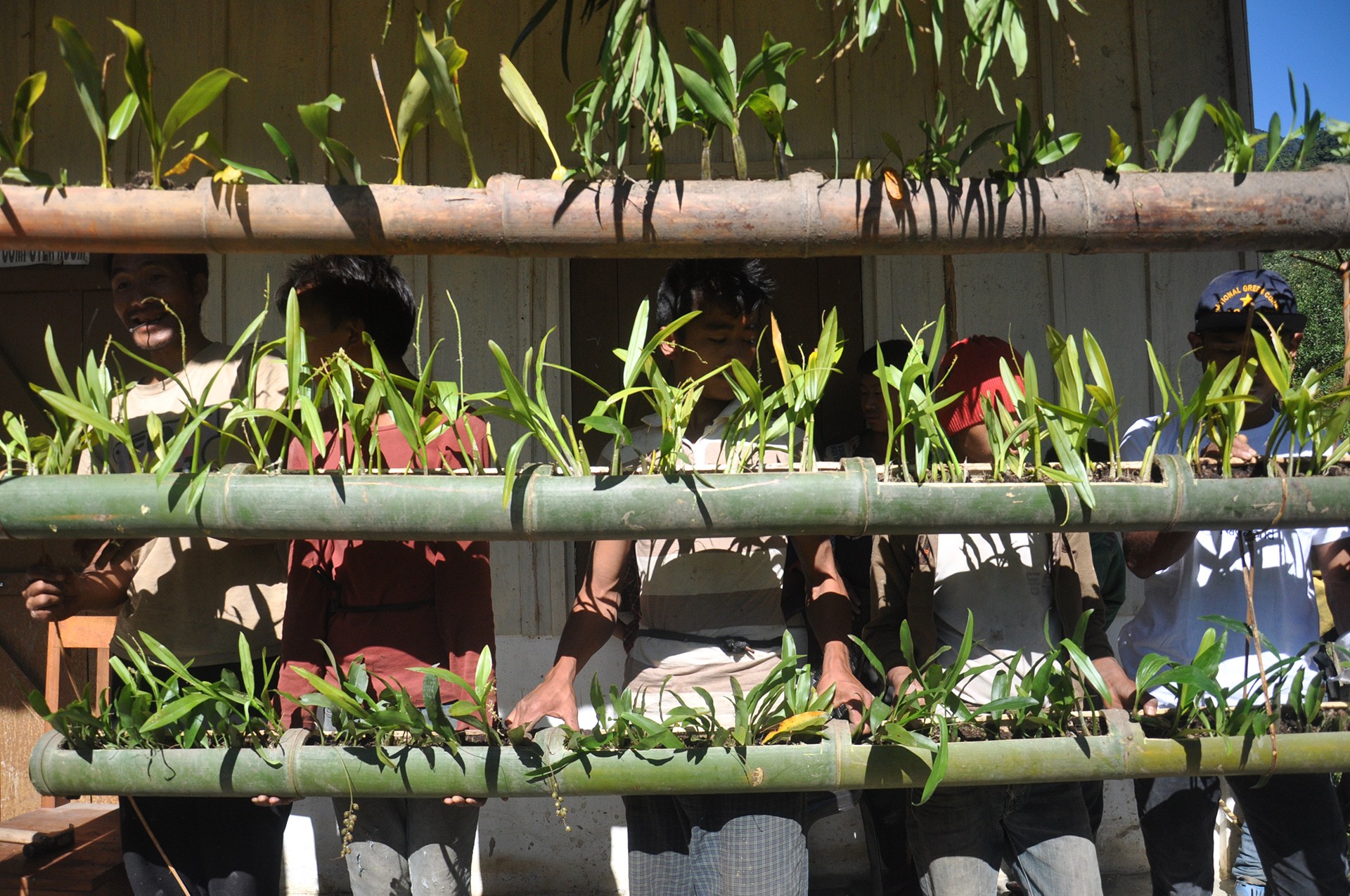
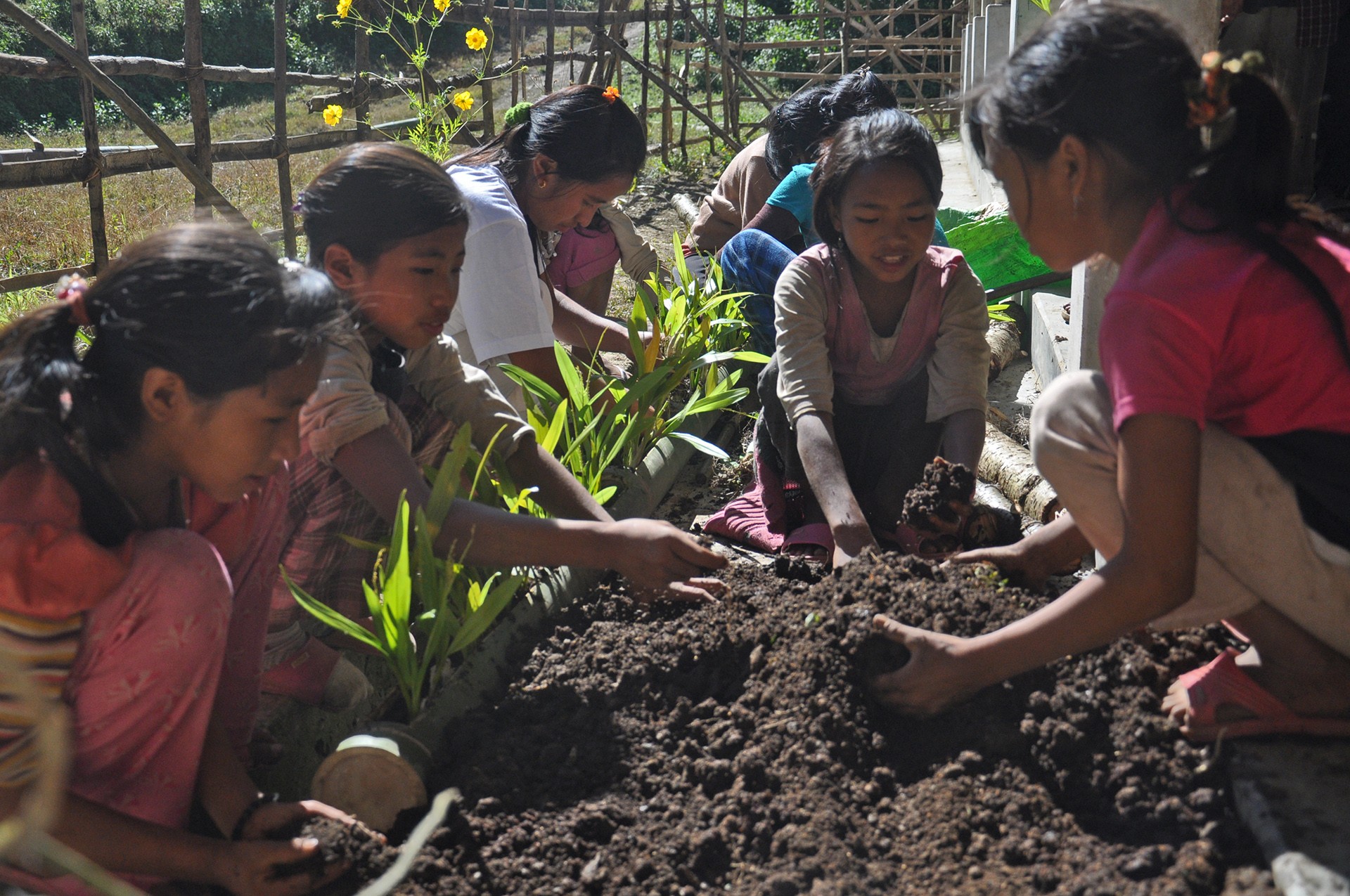
With the help of their teachers, who led awareness programmes at school, children started becoming involved in cleaning and planting trees around the village. One of the major achievements of club is an orchidarium that contains flowers from about 12 different species, collected from the community forest. In fact, it came about quite serendipitously. The children were curious about an orchid book (documented and published by the forest department) I owned and since I had already come across more than 10 species of flowering orchids in that community forest as part of my research, we thought, “Why not form an orchidarium?” The orchidarium will hopefully benefit future researchers working on orchids or botanists who are unable to do field work. In return, they could help the children expand their knowledge of orchids.
And it is not just the school children and teachers. Village elders too have shown a positive response towards these conservation attempts. In fact, Mr Benlang Khiamniungan, the eco club teacher, told me recently of how the elders helped the children make bamboo baskets for dustbins. Thanks to the recognition the village is receiving because of the eco club, neighbouring village schools have gotten inspired as well.
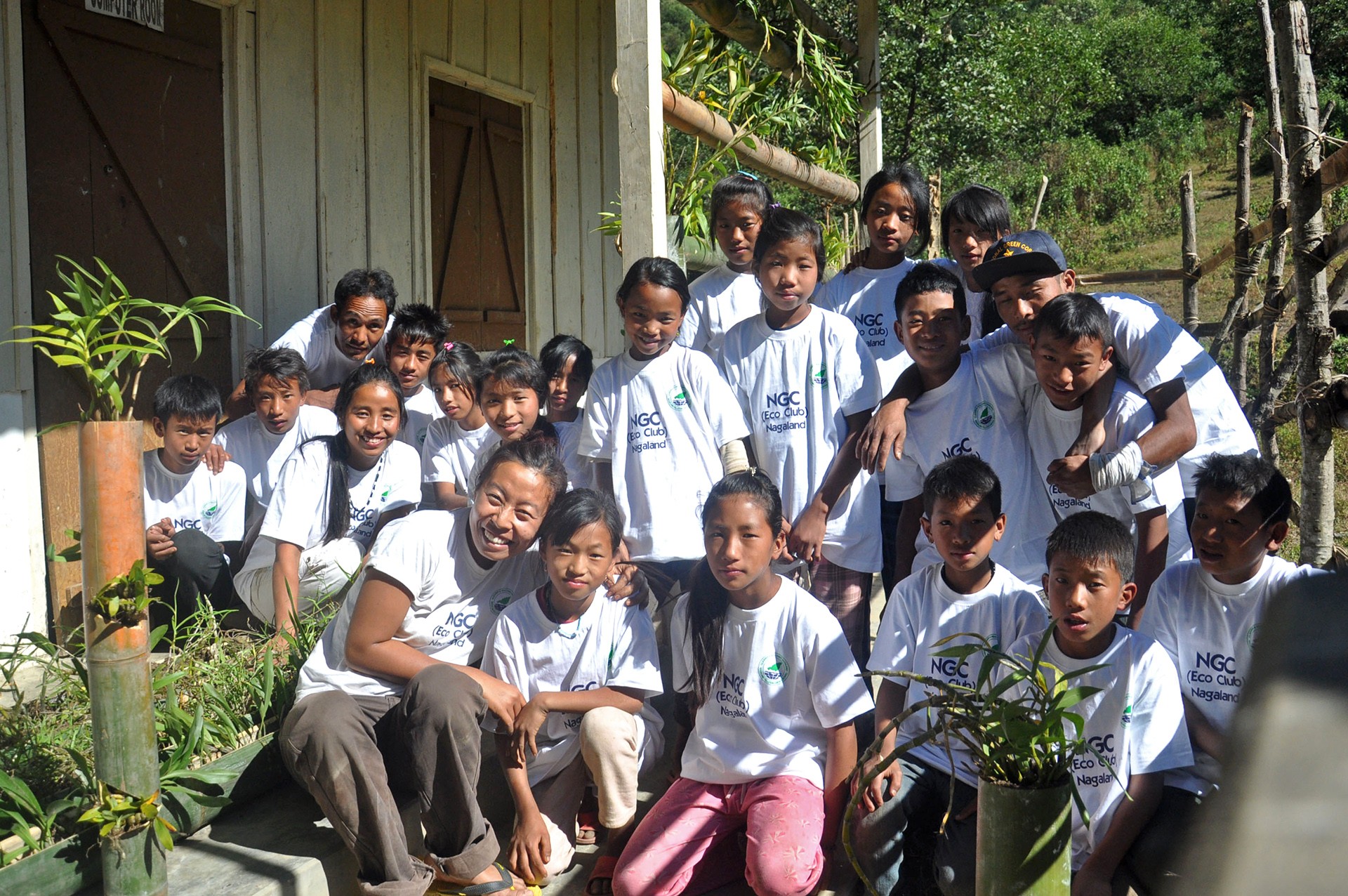
With the region clearly needing attention in terms of conservation, these baby steps have the potential of creating a huge impact. Children participating in conservation activities, trying to make a change in their villages and perhaps learning lessons in their own special ways, lend hope to the idea that this might be the beginning of something beautiful.