For its fifth edition, the Nature inFocus Festival hosted its first-ever curated wildlife photography exhibition – The Wild Nation – showcasing around 100 images from across the country, curated by the top experts in their field. The Wild Nation is an attempt by Nature inFocus to throw light on the colossal beauty of India's rich wilderness and to sound out important conversations on conservation.
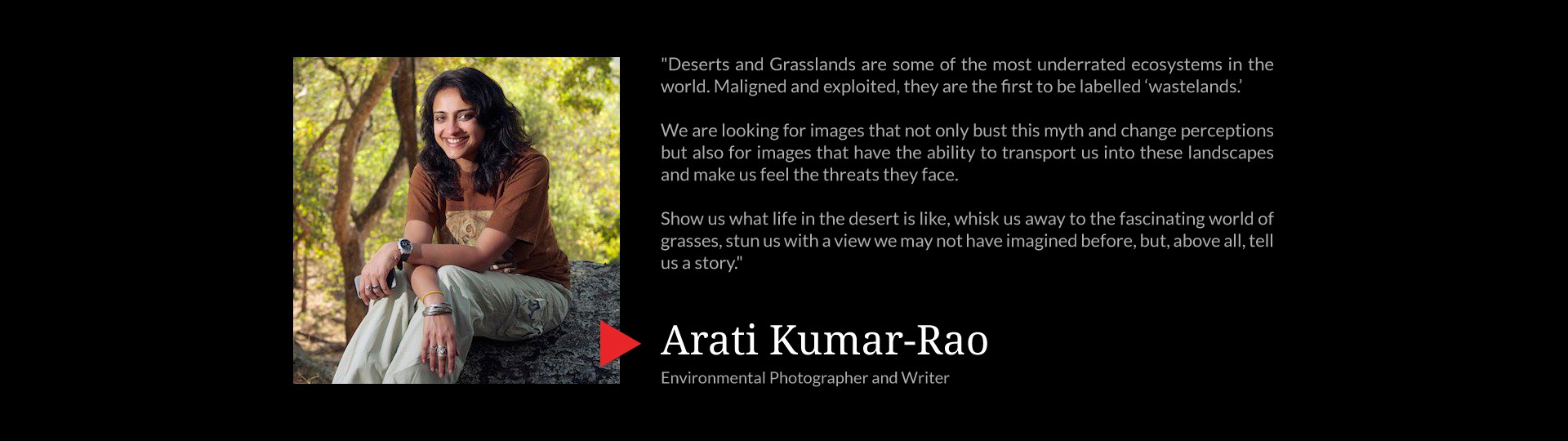
The exhibition is divided into five categories, based on the different habitats found around the country. Here, we look at the images curated for the Deserts and Grasslands category by Arati Kumar-Rao.
Arati Kumar-Rao is an independent environmental photographer and writer documenting effects of land use, river use and climate change on communities and ecosystems in South Asia. You can follow her on Instagram and Twitter.
Anu Marwah
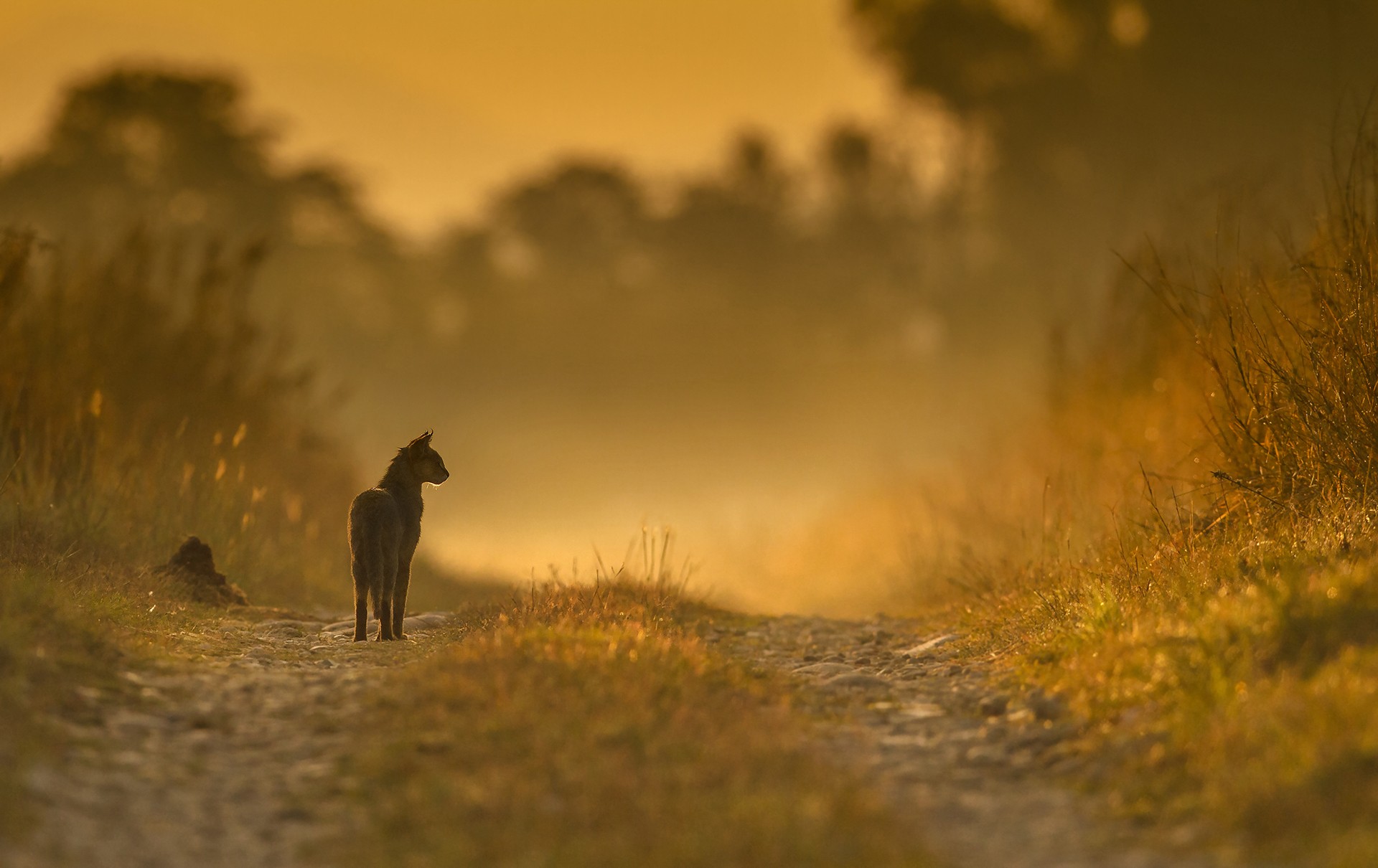
Unlike what the name suggests, the Jungle Cat (Felis chaus) is not associated with the classic 'jungle' habitat. In India, their suitable habitat is what is classified as 'wasteland' which is legally easily converted for the use of industrialisation and urbanisation. The loss of habitat to such encroachments is identified as the biggest threat to the species. Location: Jim Corbett National Park, Uttarakhand
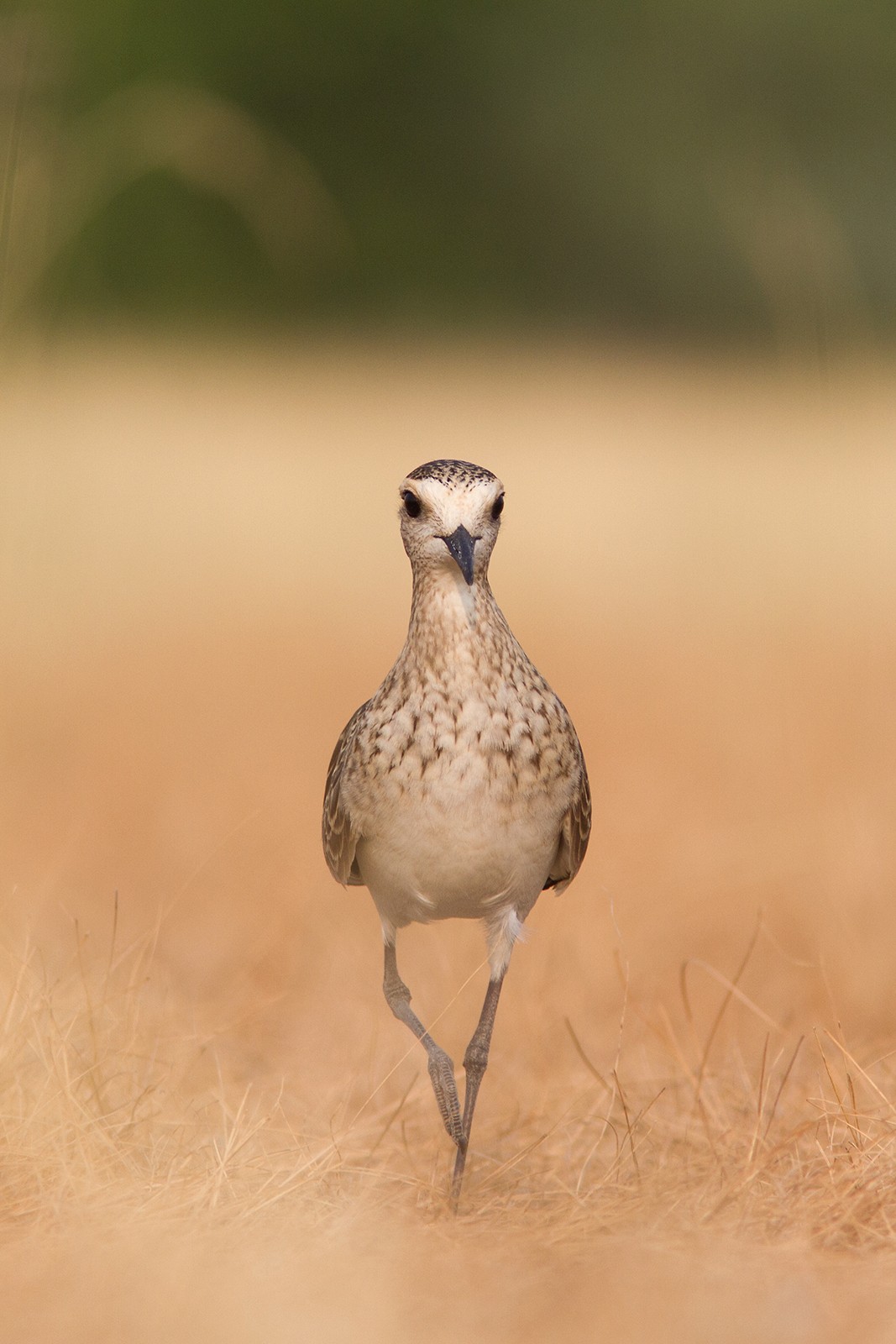
Shreeram MV
The Sociable Lapwing (Vanellus gregarius) is a winter migrant to the grasslands of North-Western India. Grasslands are under immense threat across India today and the fate of this Critically Endangered wader depends on conserving these landscapes. Tal Chapar Wildlife Sanctuary, where this bird was last seen in 2012, is one of the few grasslands that has seen a remarkable turnaround in the last decade, largely due to the proactive habitat conservation and management by the local Forest Department. Location: Tal Chapar Wildlife Sanctuary, Rajasthan
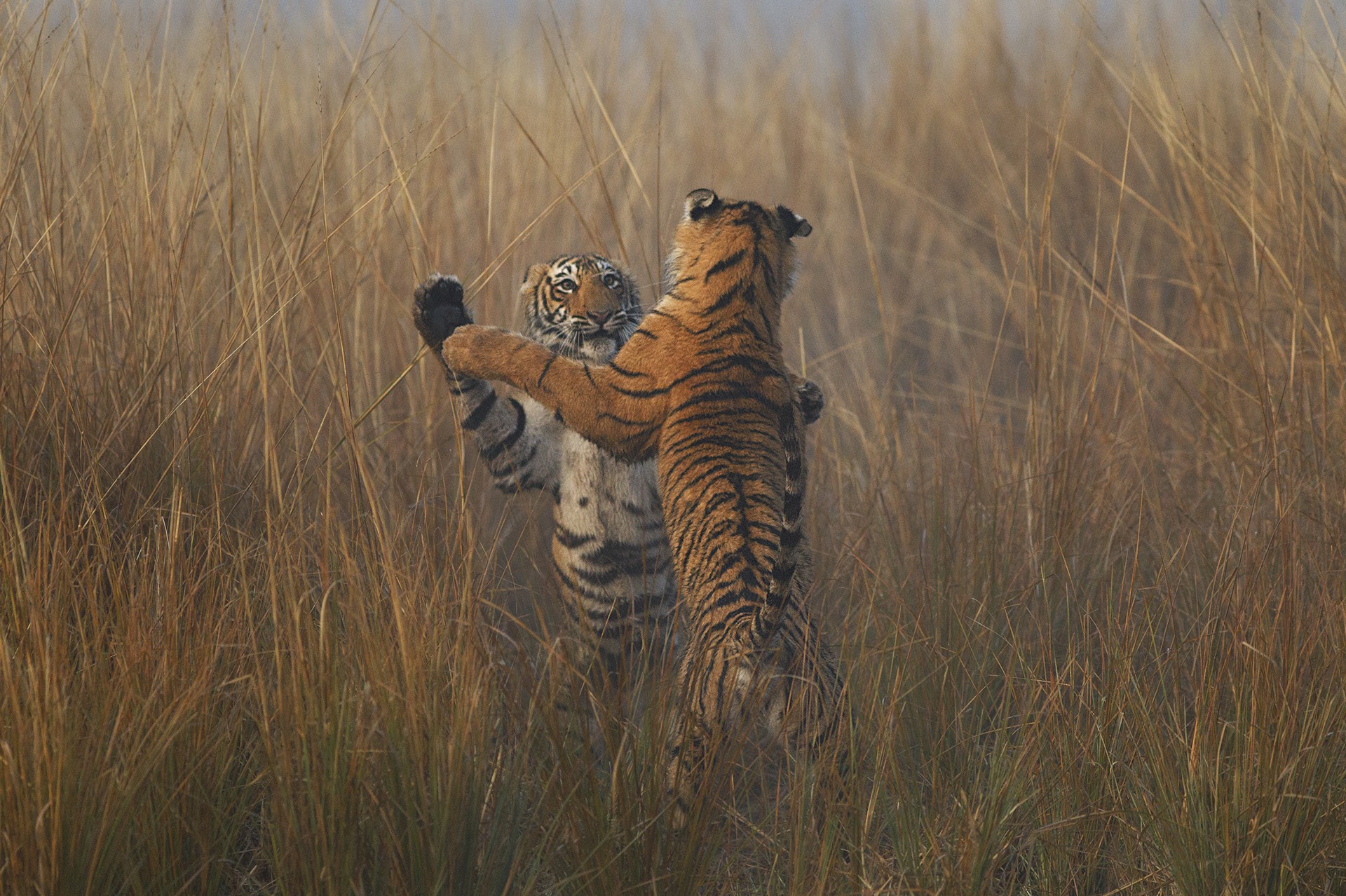
Ramakrishnan Aiyaswamy
Amidst the thick undergrowth on the banks of the Rajbagh lake, the 9-month-old cubs of T19 play-fight as their mother sleeps after a long day, within the shelter of the dry winter-kissed grass. Location: Ranthambore Tiger Reserve, Rajasthan
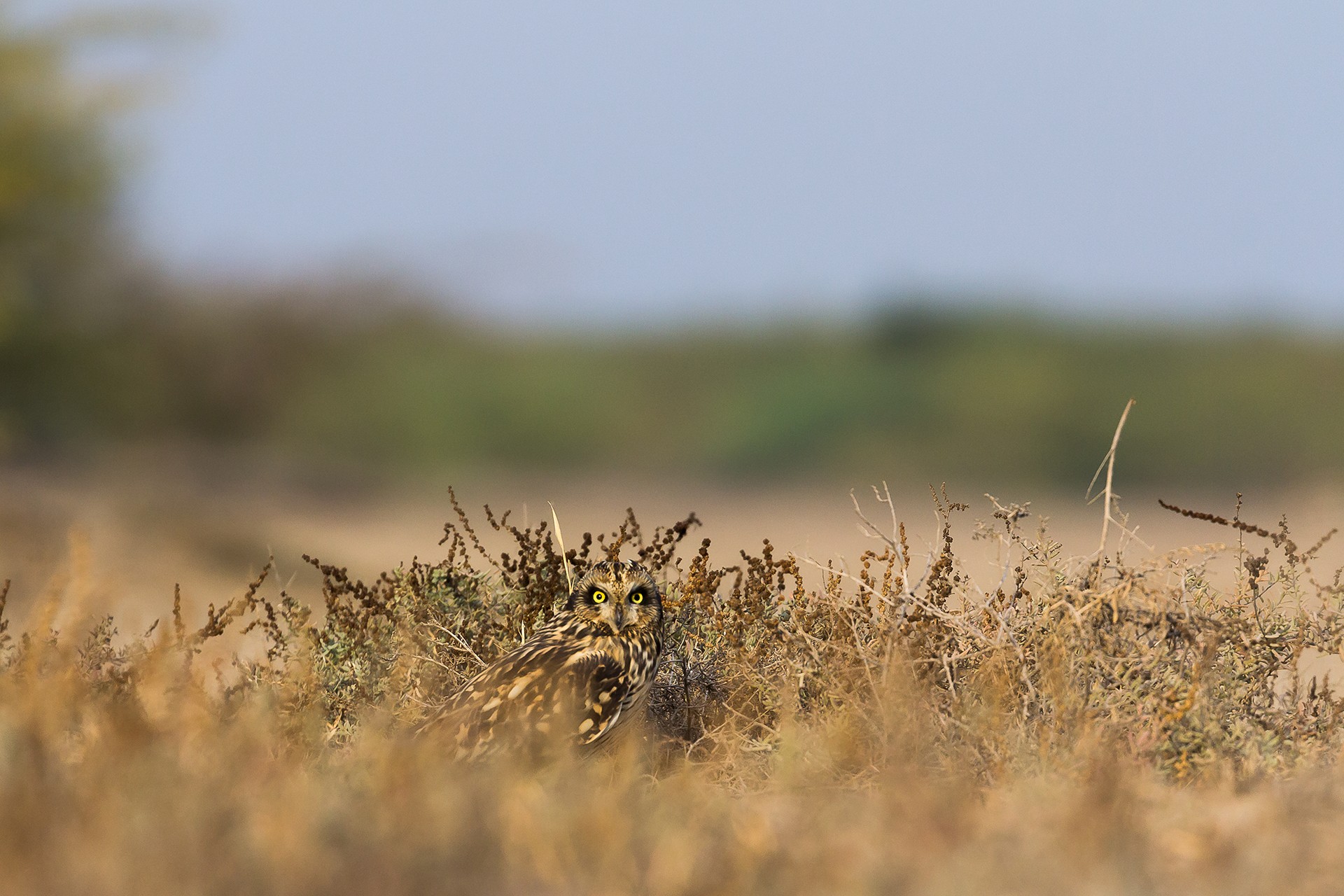
Ankur Shah
The Short-eared Owl (Asio flammeus), a winter migrant in India, is one of the few owl species which constructs its own nest. They are also more diurnal compared to other owls. Though the species itself is of 'Least Concern' as per the IUCN, the Little Rann of Kutch landscape is under definite threat. It is increasingly being used for salt panning and shrimp farming, and the excess water from the Narmada river is sometimes released into the Rann, disrupting the salt marsh ecosystem. Location: Little Rann of Kutch, Gujarat
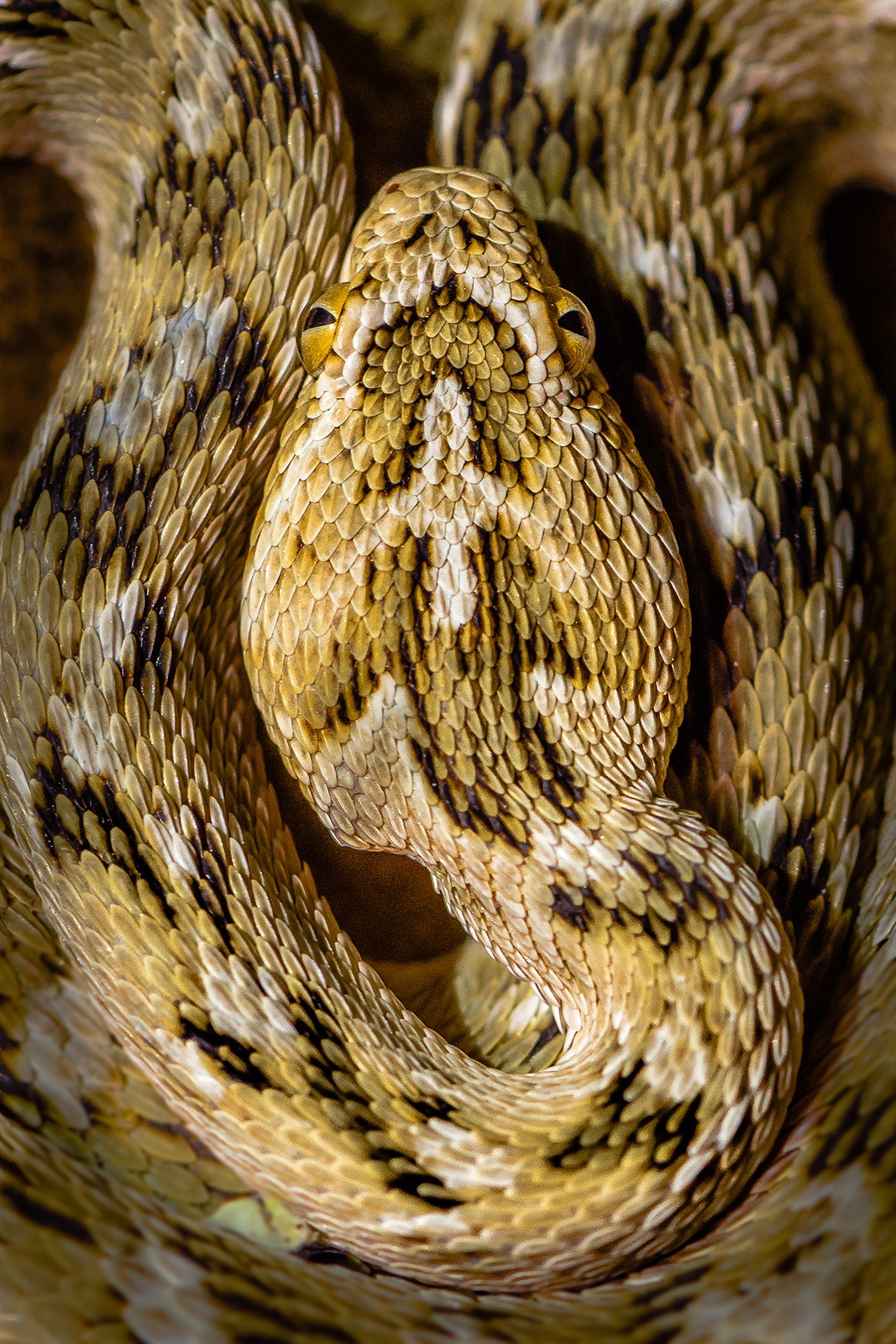
Manish Vaidya
Sochurek's Saw-scaled Viper (Echis carinatus sochureki) is a different species from the saw-scaled viper found in other parts of India. The image captures the mesmerising textures and patterns on the viper, presenting the sheer beauty of this venomous reptile. Location: Desert National Park, Rajasthan
Sachin Sharma
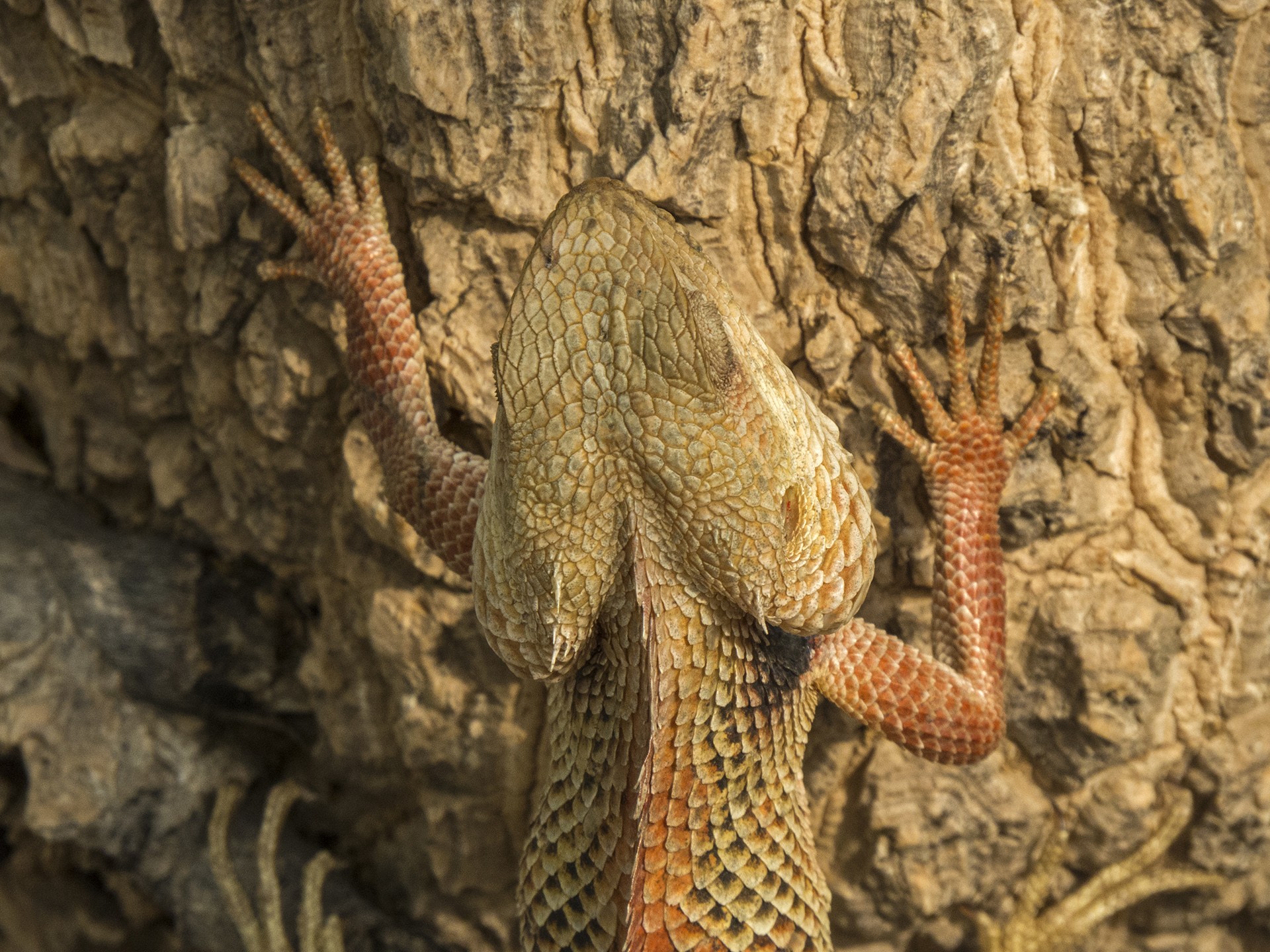
The Garden Lizard (Calotes versicolor) is the most common agamid lizard in India. Known for their camouflaging abilities, this arboreal species can become almost invisible in their habitats. Here, the lizard is the same colour as the bark of the Drumstick tree (Moringa concanensis) it is sitting on. Location: Rao Jodha Desert Rock Park, Jodhpur
Viraj Khorjuwekar
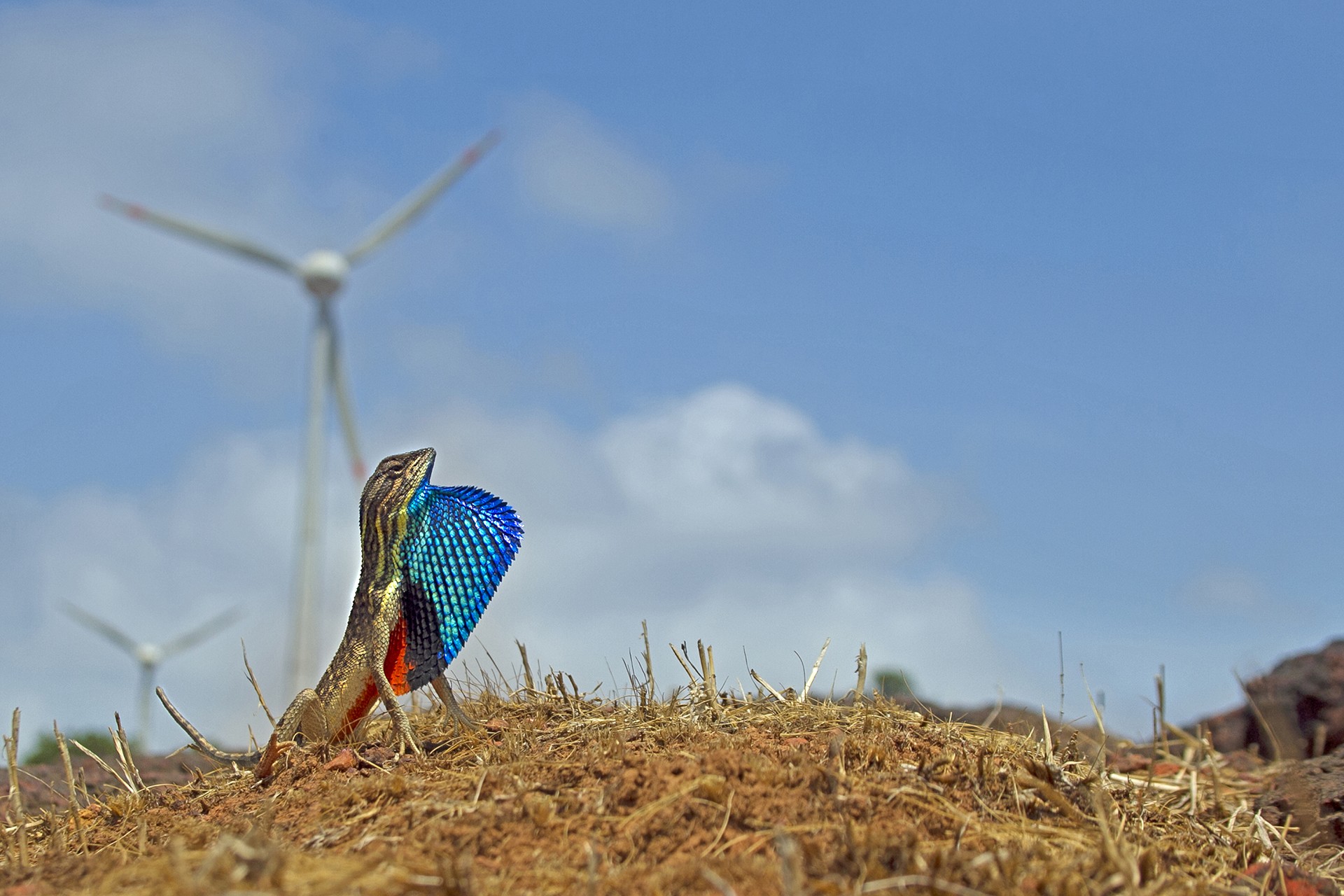
Fan-throated Lizard (Sarada superba) is a species of agamid lizard found in Maharashtra. These lizards are commonly found on lateritic plateau rocks and in cracks within the lateritic substrate. There is no threat to this species due to windmills, however, the windmill was included on purpose to portray the habitat of the lizard and how man has utilised every piece of land for urbanisation. Location: Chalkewadi, Satara
Shreeram MV
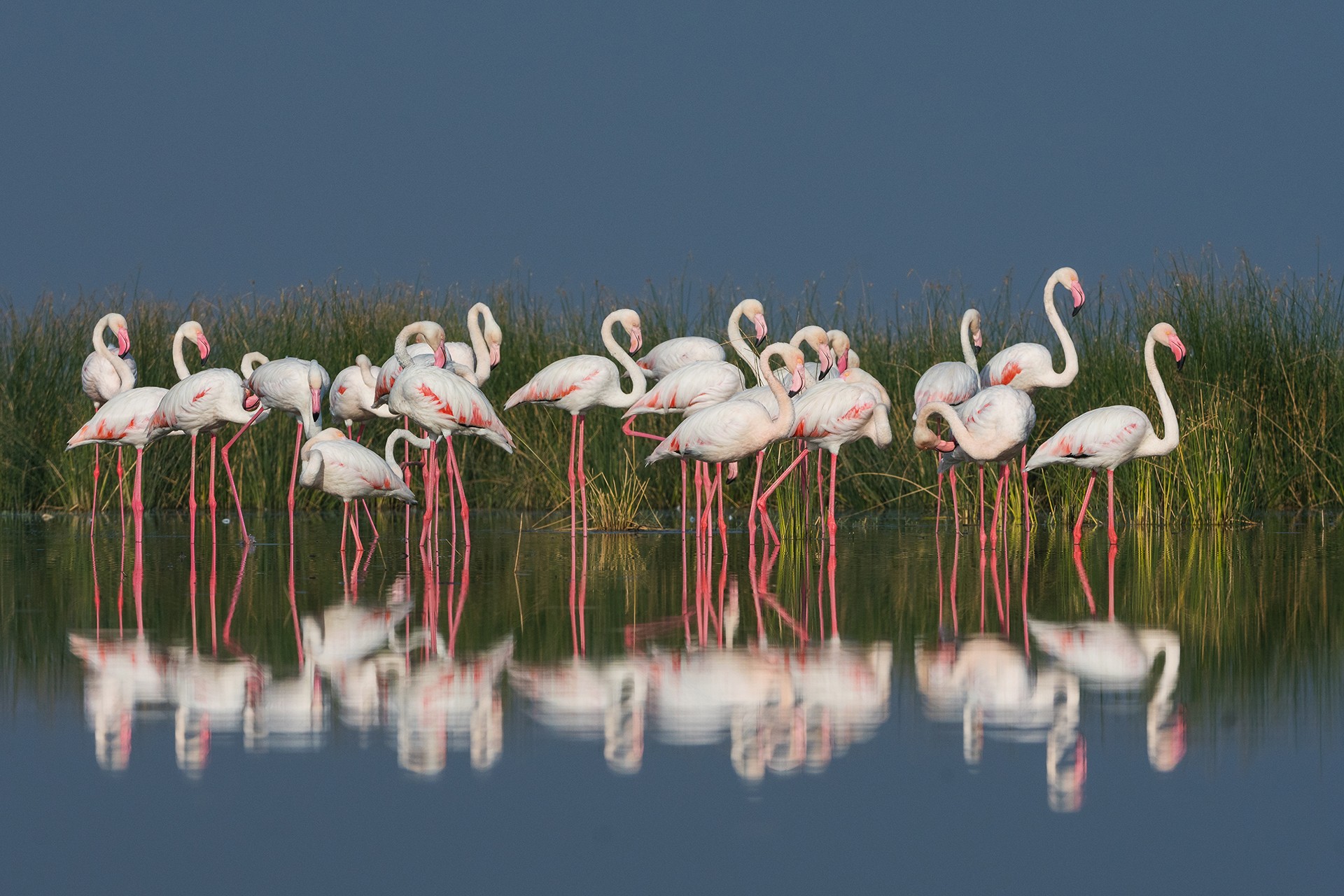
The Greater Flamingo (Phoenicopterus roseus) finds safety in numbers and lives in colonies. This flock of flamingos were initially busy feeding for over an hour before they took a break to start preening themselves.Location: Little Rann of Kutch, Gujarat
Manish Vaidya
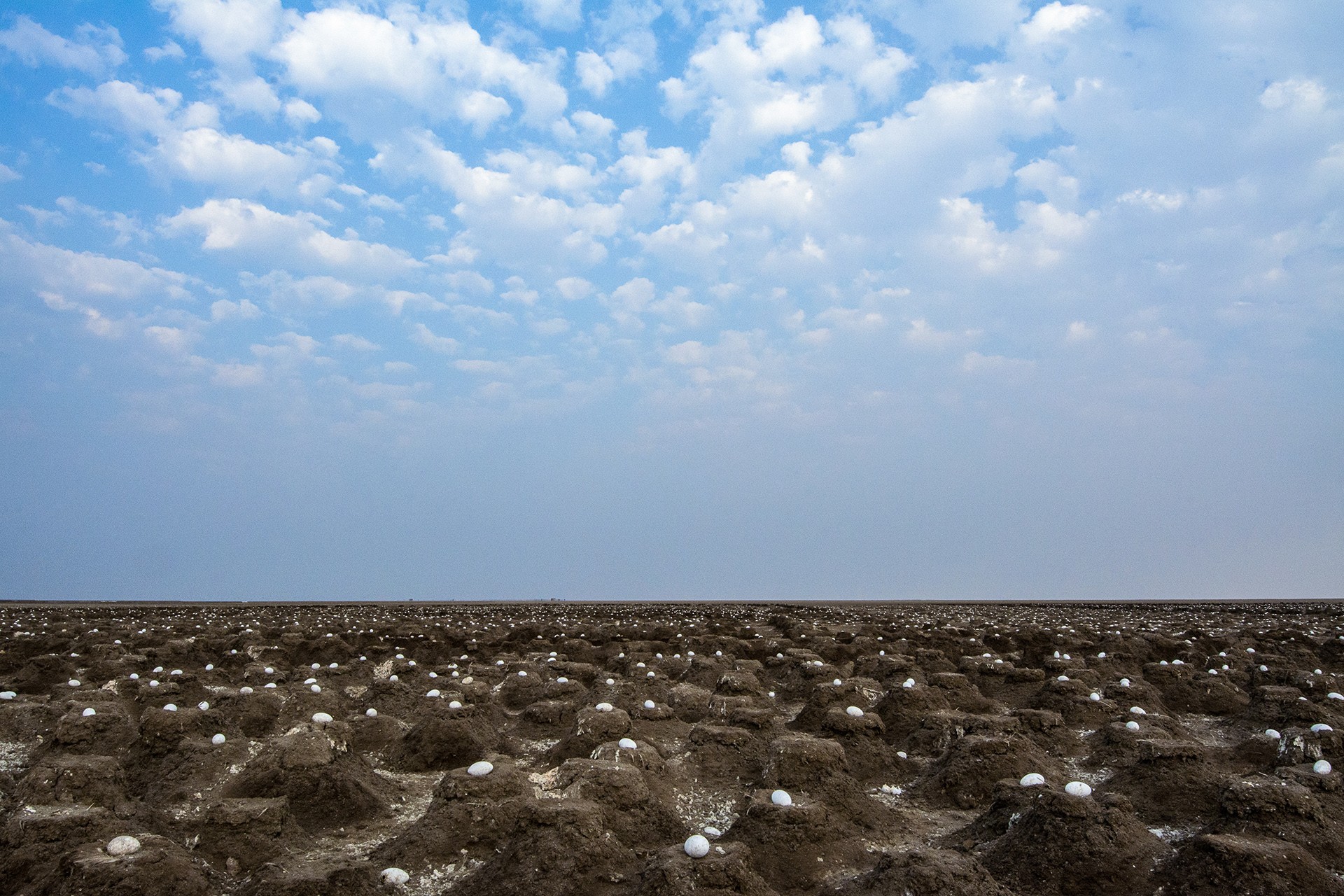
This old, abandoned nesting site of flamingos with thousands of unhatched eggs is a painful sight. And, a stark reminder of how glorious the same scene could have been. The changing weather patterns and unseasonal rains have an adverse effect on the breeding behaviour of many species. While the exact year of when this was abandoned and the precise reason behind it is unclear, this site has never been used by flamingos again. Location: Little Rann of Kutch, Gujarat
Anuroop Krishnan
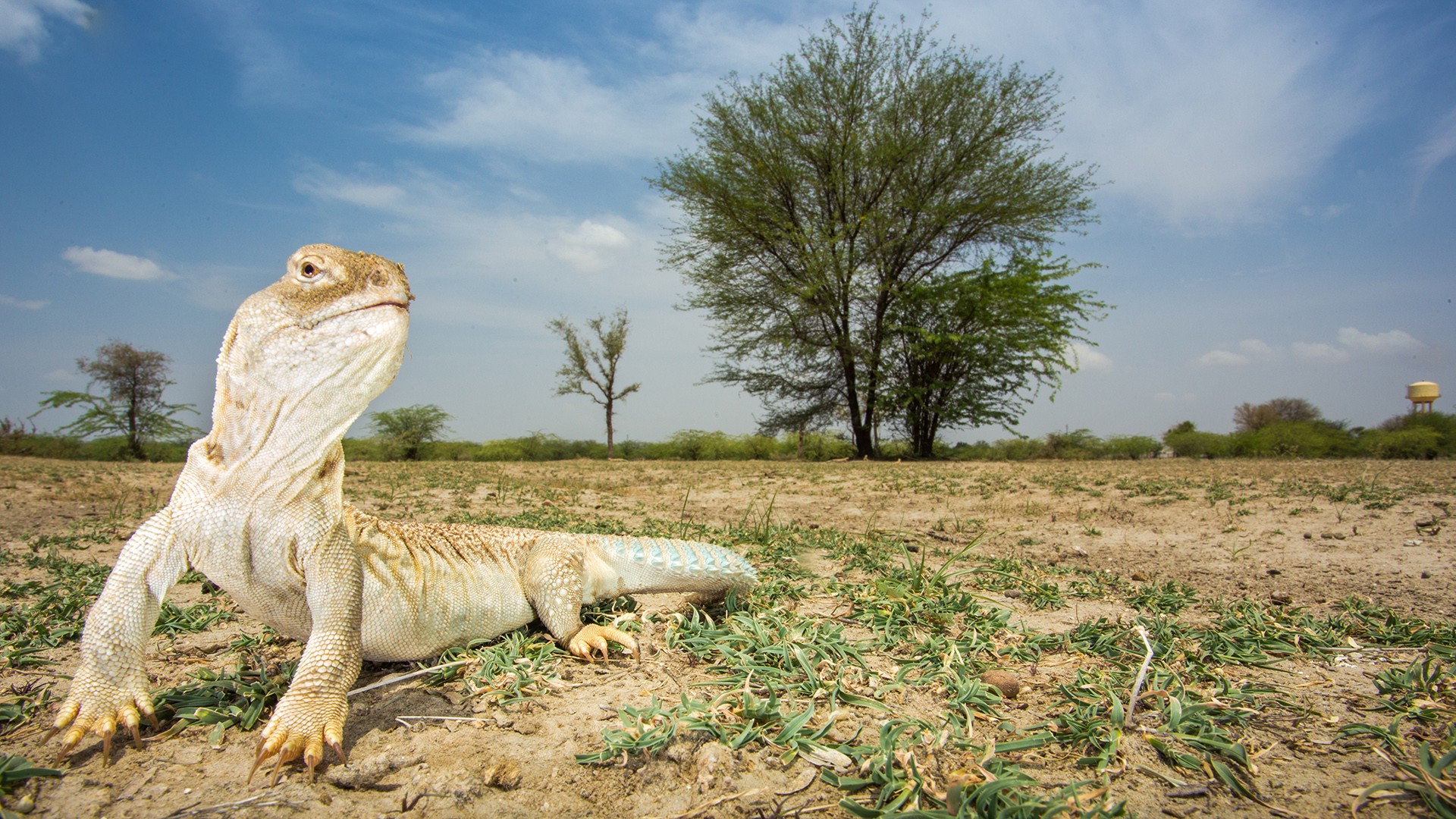
Spiny-tailed Lizards (Saara hardwickii) are herbivorous lizards that are found in the dry, arid plains of north-western India. They feed primarily on short grass, live in burrows in the ground and come out only during the day. The burrows are also their only defence - at the first sign of danger, they run back into them. Threats from natural predators apart, there are certain misconceptions about the oil that is contained in the lizard's tail that they are hunted for. Another threat to these lizards come from feral dogs. Location: Tal Chapar Wildlife Sanctuary, Rajasthan
Arvind Ramamurthy
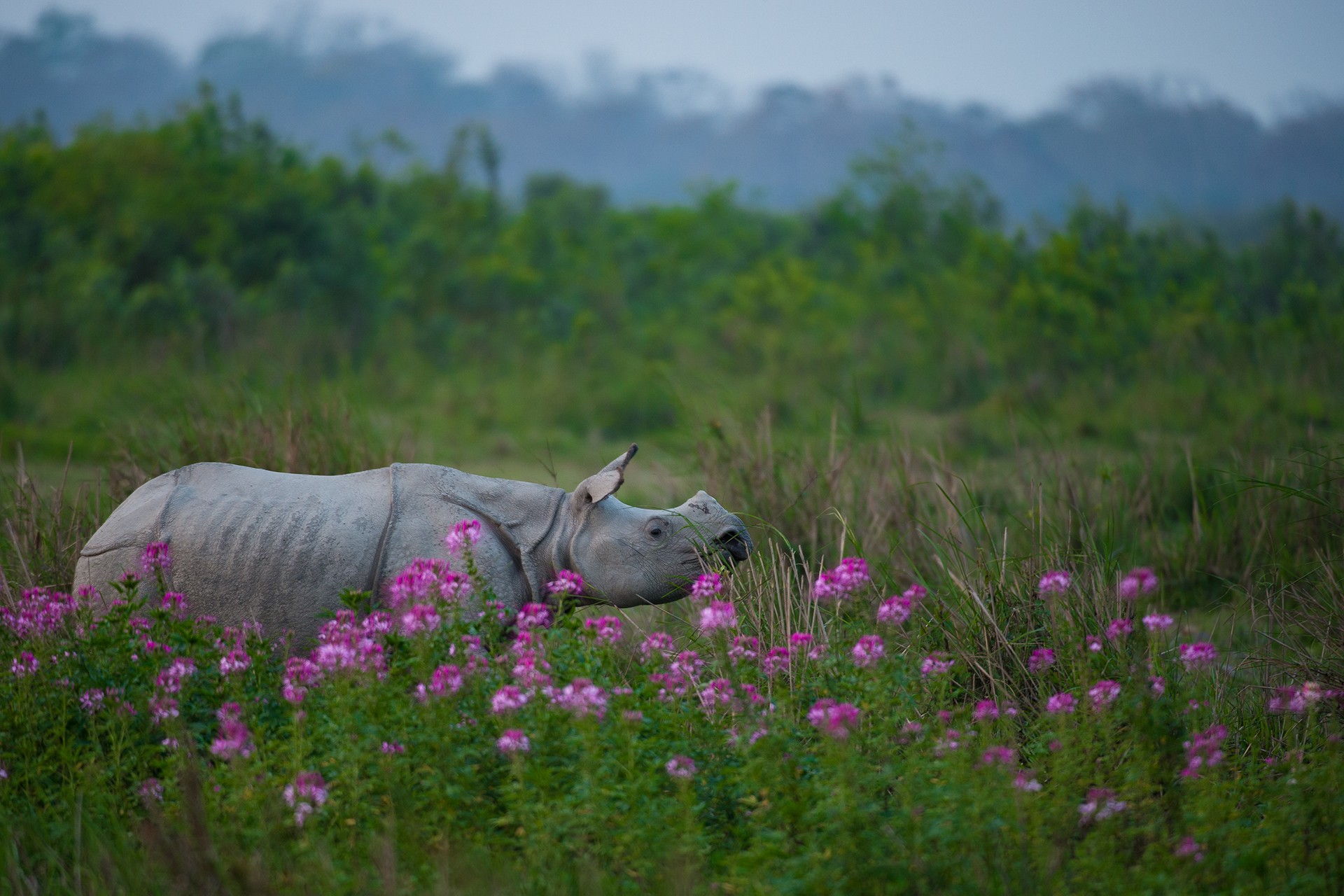
The Greater One-horned Rhinoceros (Rhinoceros unicornis) is easily identified by its single black horn and grey-brown hide with skin folds which gives it an armour-plated appearance. Captured against a patchy flowering of Cleome hassleriana in the grasslands, the photograph paints a pretty picture, akin to the conservation story of the one-horned rhinoceros which is amongst the greatest success stories in Asia. Location: Kaziranga National Park, Assam
Manish Vaidya
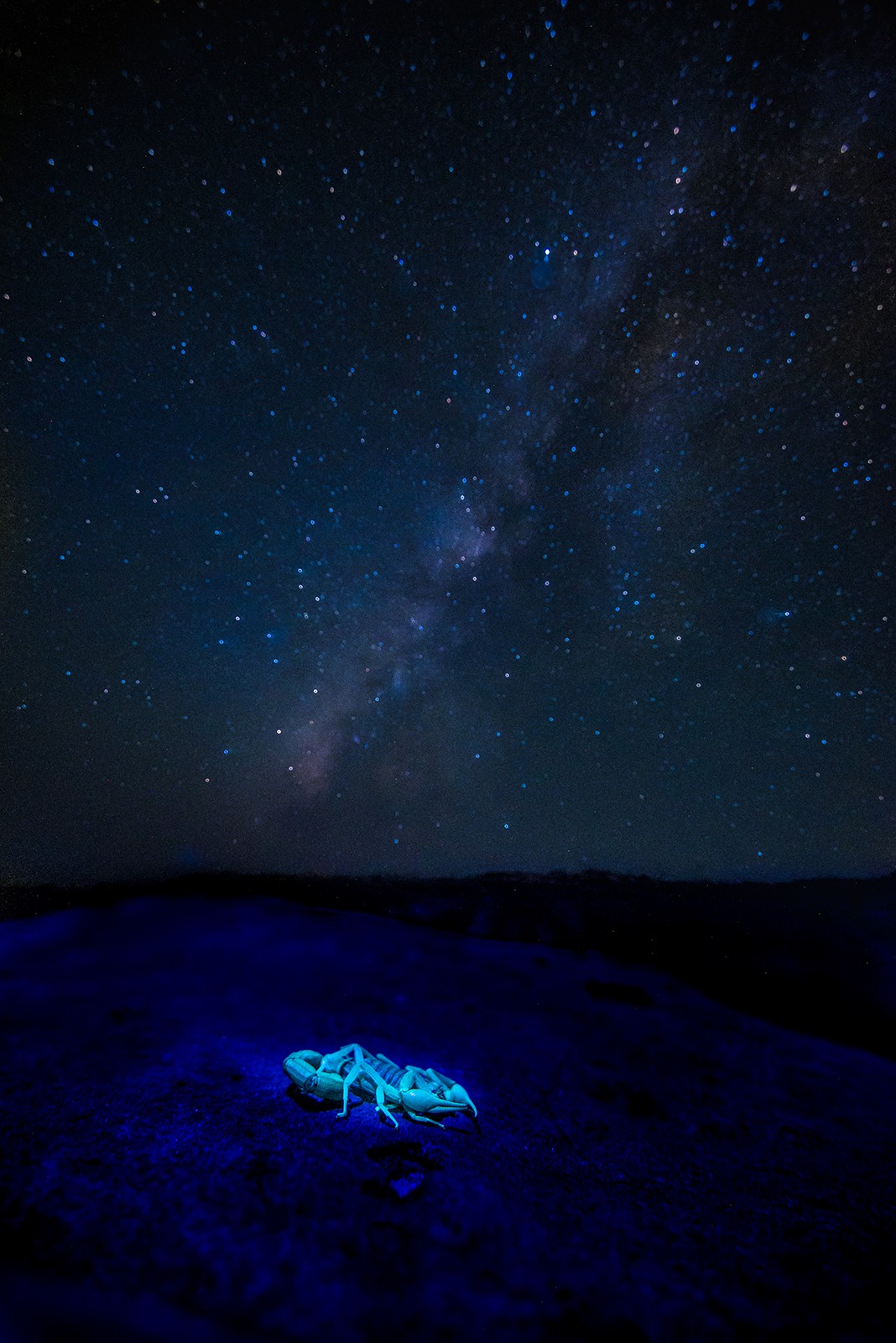
A scorpion photographed against the vast canvas of the desert night sky painted by the millions of stars in the Milky Way galaxy. Location: Desert National Park, Rajasthan
Partha Protim Chakraborty
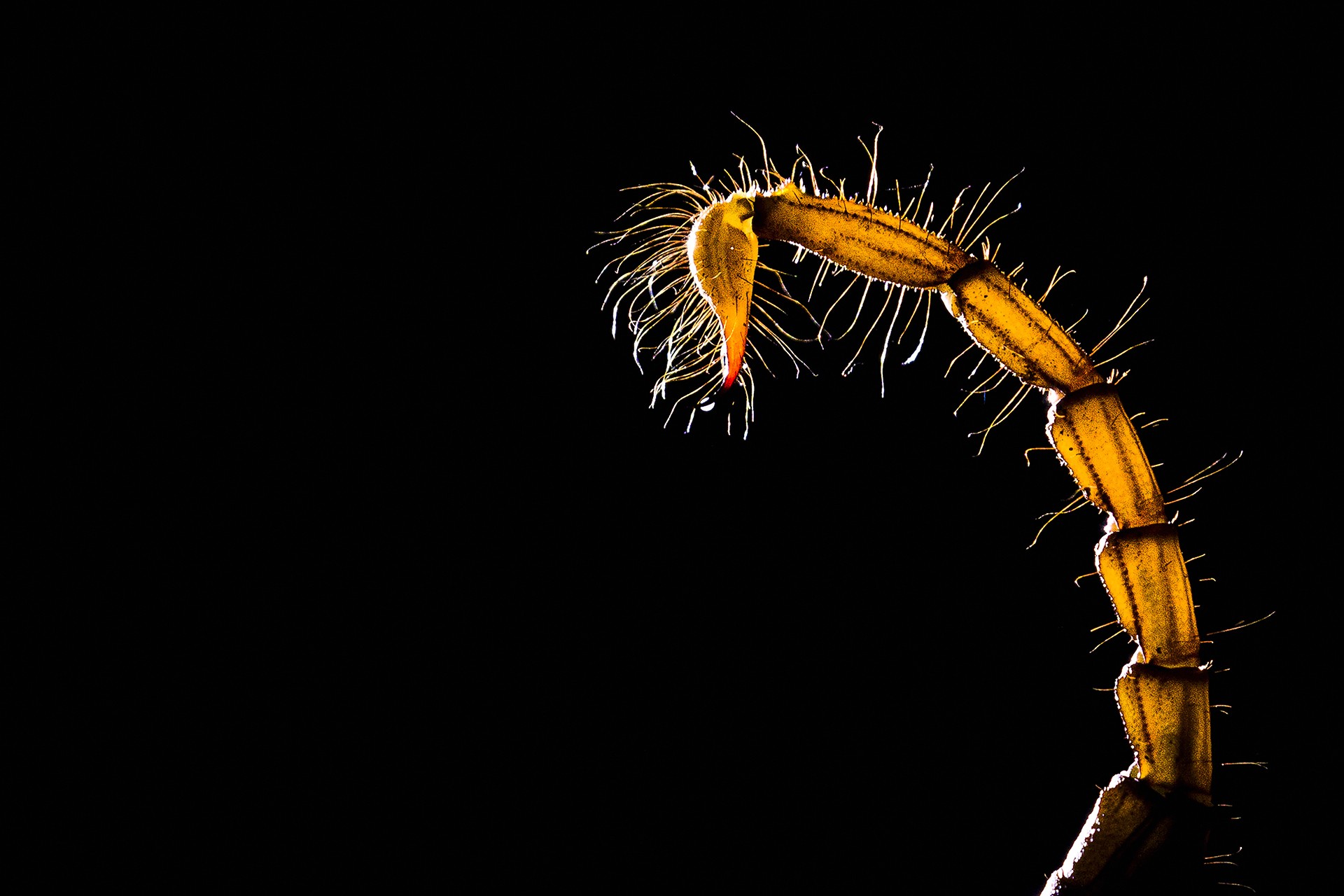
The narrow segmented tail of a scorpion with a venomous stinger at the end lit up against the dark night and carried in a characteristic forward curve. Location: Satpura National Park, Madhya Pradesh
Mohith Unny
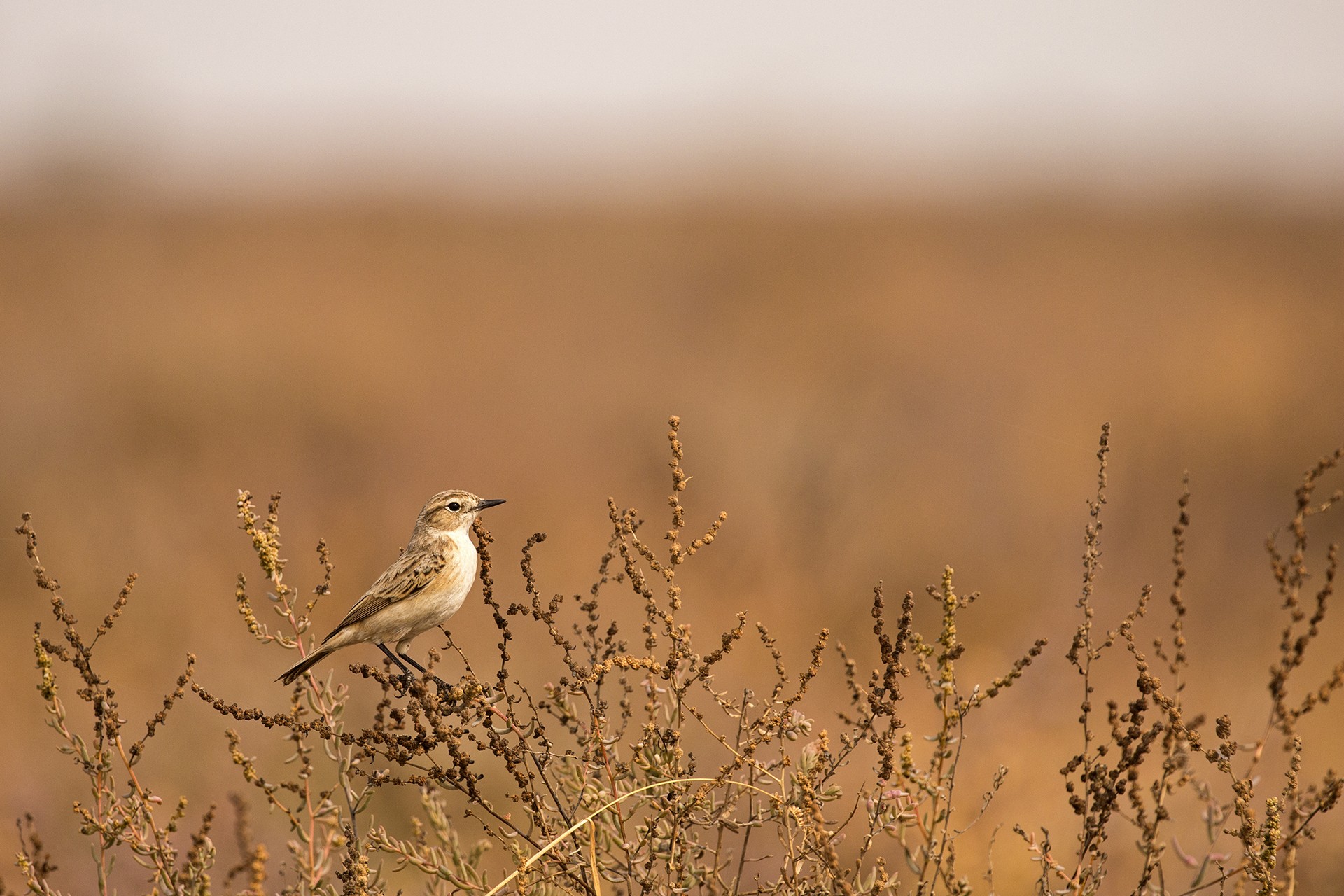
The White-browed Bushchat or Stoliczka's Bushchat (Saxicola macrorhynchus), endemic to the north-west Indian subcontinent is now believed to be extinct in Afghanistan and Pakistan. Agricultural intensification and encroachment are the key threats to the species, now categorised as vulnerable by the IUCN. Location: Banni Grasslands, Greater Rann of Kutch
Tapan Sheth
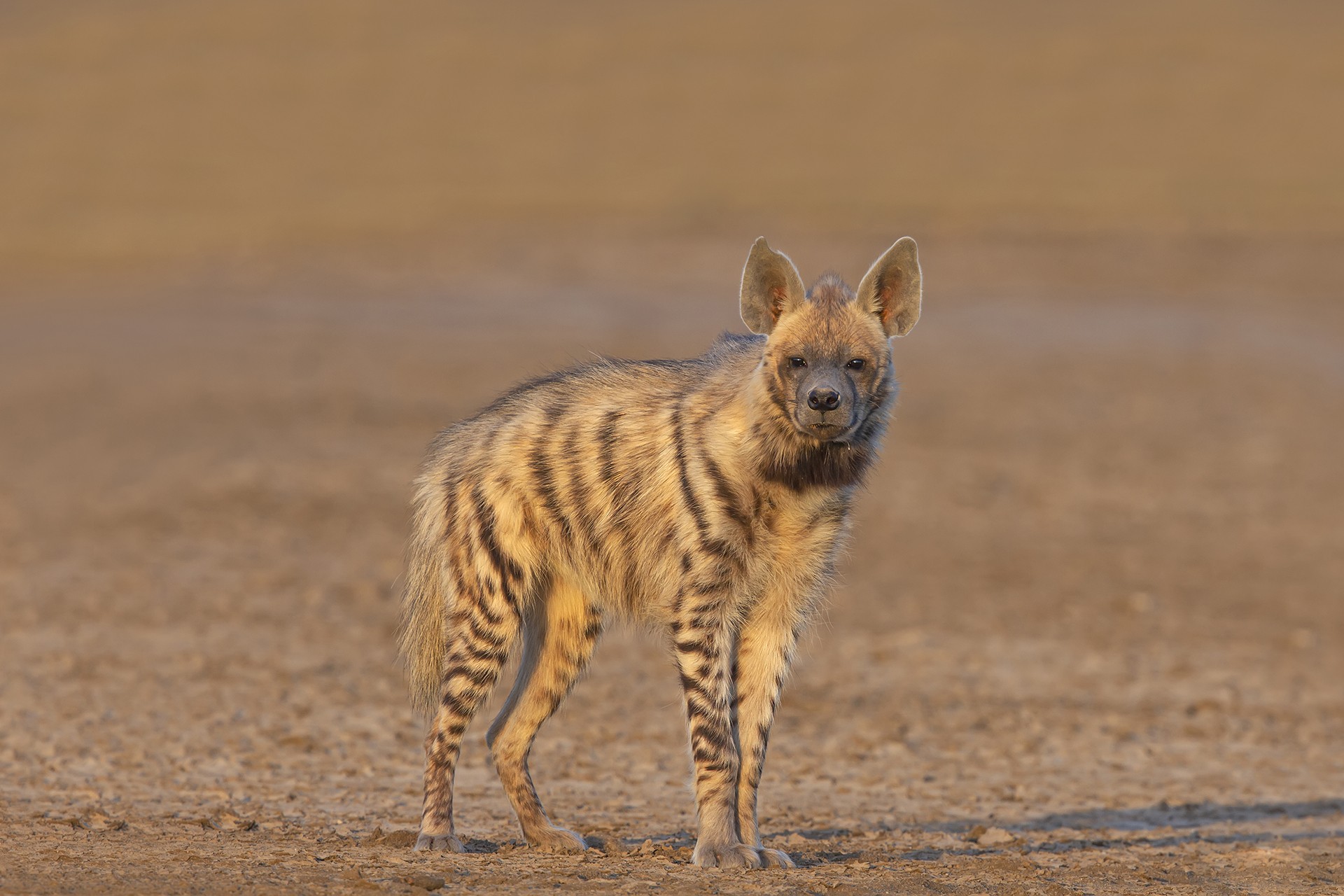
Hyenas are usually very shy creatures, but this particular individual stuck around and gave the photographer enough time to capture this beautiful frame. Location: Little Rann of Kutch, Gujarat
Girish Prahalad
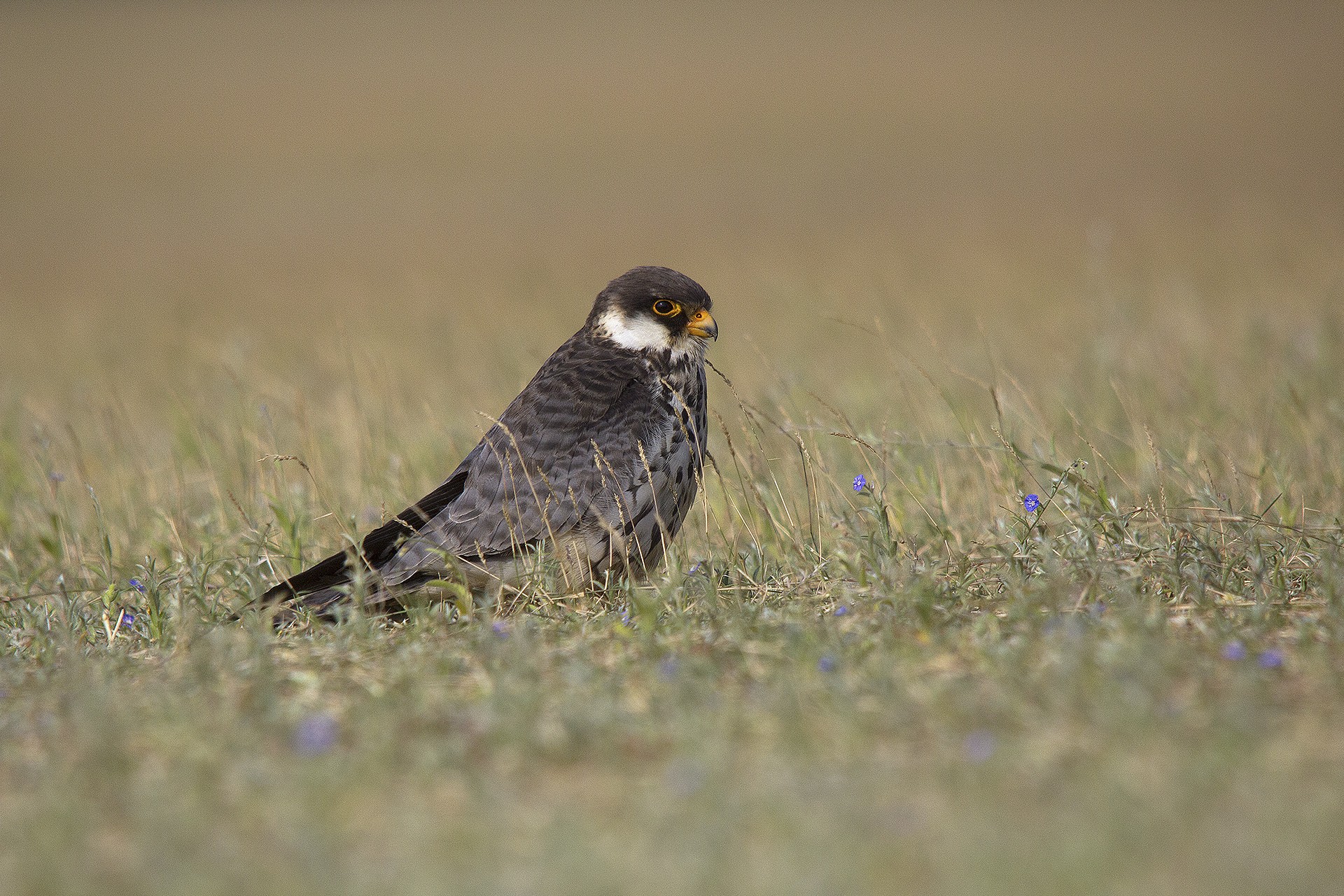
During their migration from Siberia to Africa and vice versa, the Amur Falcon (Falco amurensis) makes a brief stopover in India. About 20-25 individuals had landed at this particular place in Vallioor and were easily sighted for a period of 3-4 weeks. In Nagaland, these raptors used to be hunted in large numbers, but thankfully that has almost stopped due to successful awareness and conservation interventions.Location: Vallioor, Tamil Nadu
Krinal Jani
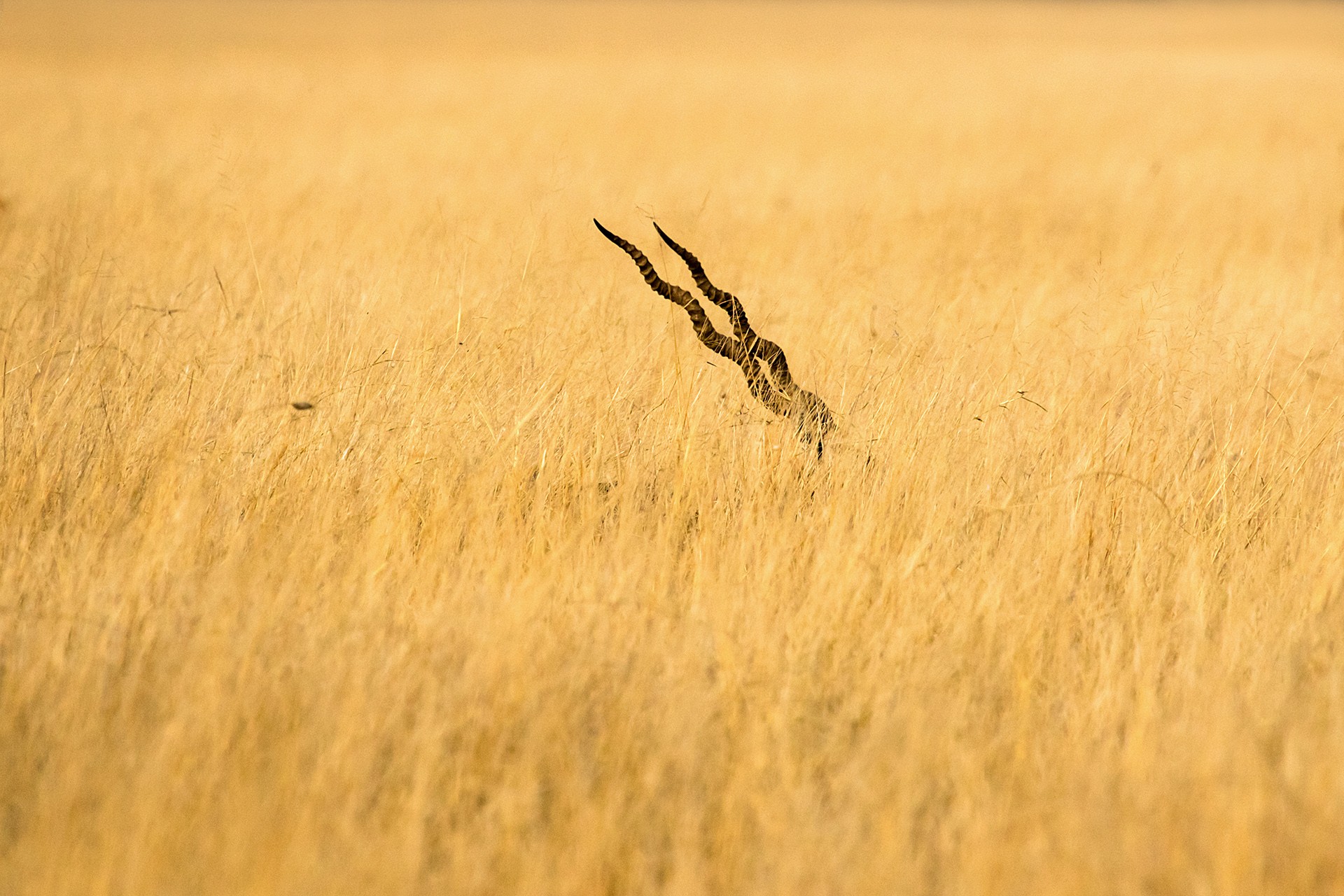
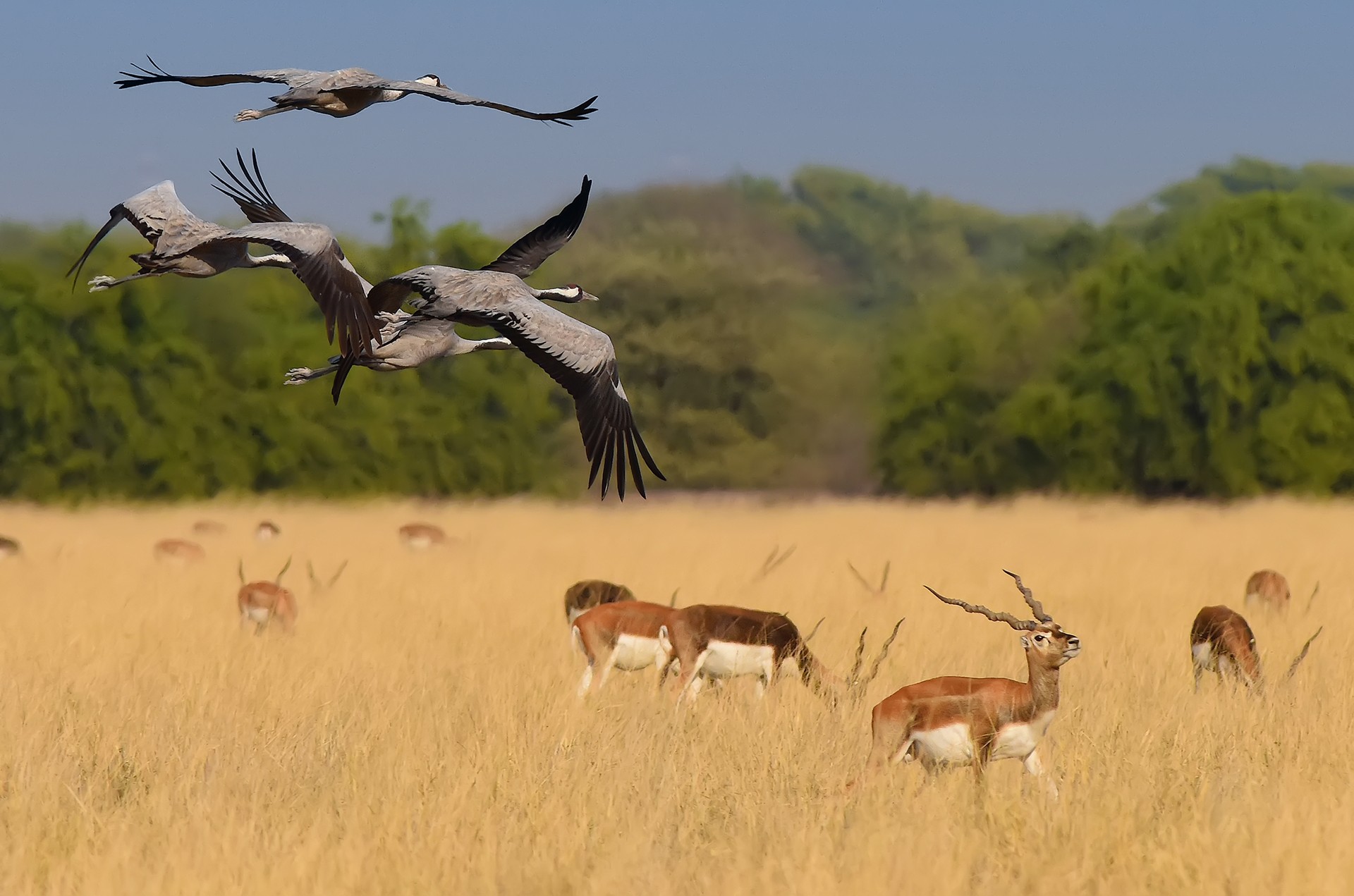
One of the most striking features of the Blackbuck (Antilope cervicapra) is the pair of long, spiralling horns possessed by the male, which are marked with rings and sweep backwards from the head in a V-shaped arrangement. The wide-open grasslands with scattered Acacia and Prosopis trees and seasonal water ponds make this sanctuary an ideal habitat for these antelopes. Location: Tal Chapar Wildlife Sanctuary, Rajasthan
Kallol Mukherjee
Located on the fringes of the Thar desert, the sanctuary's grasslands are one of the Blackbuck (Antilope cervicapra) strongholds, with over 2500 of them recorded in the area. Along with other various mammals, grassland birds are also abound here with a healthy population of the Common Crane (Grus grus). Location: Tal Chapar Wildlife Sanctuary, Rajasthan
Nature inFocus thanks all its sponsors and partners for making The Wild Nation a grand success.
nature in focusnatureinfocusnifthe wild nationwild nationwild nation exhibitionphotography exhibitionnif photography exhibitionnature in focus exhibitiondeserts and grasslandsarati kumar raoarati rao